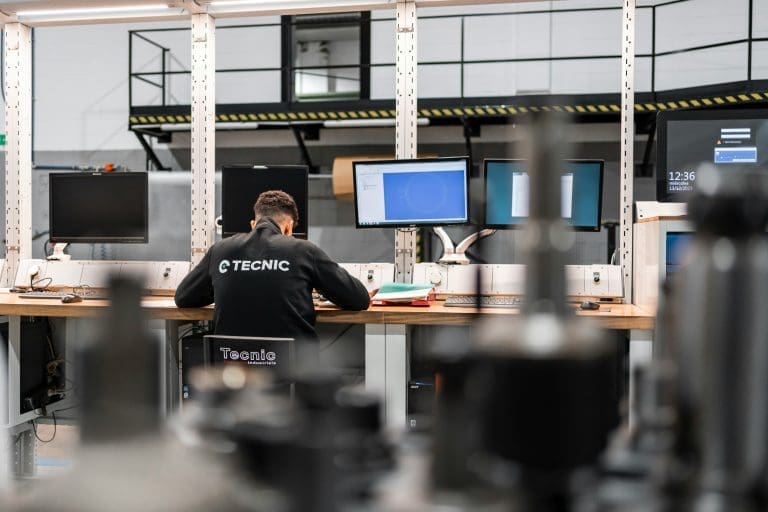
The corporate structure must be clearly defined so that everyone departments are seamlessly connected with one another and with customers.
When we talk about business, we don't usually realize how difficult it is to see all of its projects through to completion. In fact, none of this would work without a sound corporate structure, which is essential for ensuring that all departments are well coordinated and that the work is of high quality overall.
The Importance of Having a Structure in a Company
There are companies that are similar and others that differ in terms of their focus. For example, they range from food companies to auto dealerships to businesses that sell household products online.
For example, a lack of structure in a business means that departments do not have a a good connection or that the communication with customers isn't up to par. What could happen in this case? People who are interested in that company's products or services might lose their curiosity and go to the competition. What if this happens often? Well, the business wouldn't be profitable and would have to close its doors.
The Elements of an Organizational Structure
Companies must not only have a clear understanding of the structure's fundamentals, but they must also appoint people to positions of greater responsibility people who, because education and experience, are able to perform at their best. Therefore, it is necessary to identify certain key roles for business development:
- CEO. I would be the CEO or executive director of a company and would have ultimate responsibility for management and administrative oversight. I would also be required to report on the company's objectives, achievements, and overall strategies.
- Manager. This person is responsible for planning and directing the work of a group of individuals, monitoring their performance, and taking corrective action when necessary.
- Department Head. In large companies, we highlight this role, which serves as a link between senior management and employees in the various departments. This person has a direct connection with the heads of these divisions.
- Teams. This would refer to the specific staff in each of the company's departments. It is important to keep teams motivated, as they are the foundation of every business and the most direct link to customers.
Types of Organizational Structures
Today, we can find various structures that meet the needs of all businesses. No one type is better than another; rather, each is better suited to a company’s specific requirements based on its line of business. These are the most common types of structures:
- Functional structure. The needs of the various hierarchical levels are met by having a section chief at each level.
- Hierarchical Structure. Small units are created and overseen by senior officials, who are the ones who make the final decisions.
- Linear structure. It combines direct authority with advice provided by personnel outside the company.
- Matrix structure. It groups resources and materials by task or project and is dissolved once they are completed.
- Organizational structure by division. The organization is structured according to product lines, customer types, or geographic regions.
Structuralia's undergraduate and master's programs are perfect for acquiring the necessary knowledge in the business sector. All of them address various issues regarding the importance of businesses in society and how they should be structured to achieve the expected results. This will make it easier for employees to have a clearer understanding of the company’s principles and ensure that both its economic and social activities are beneficial overall. For more information, please feel free to contact us for a consultation with no obligation.