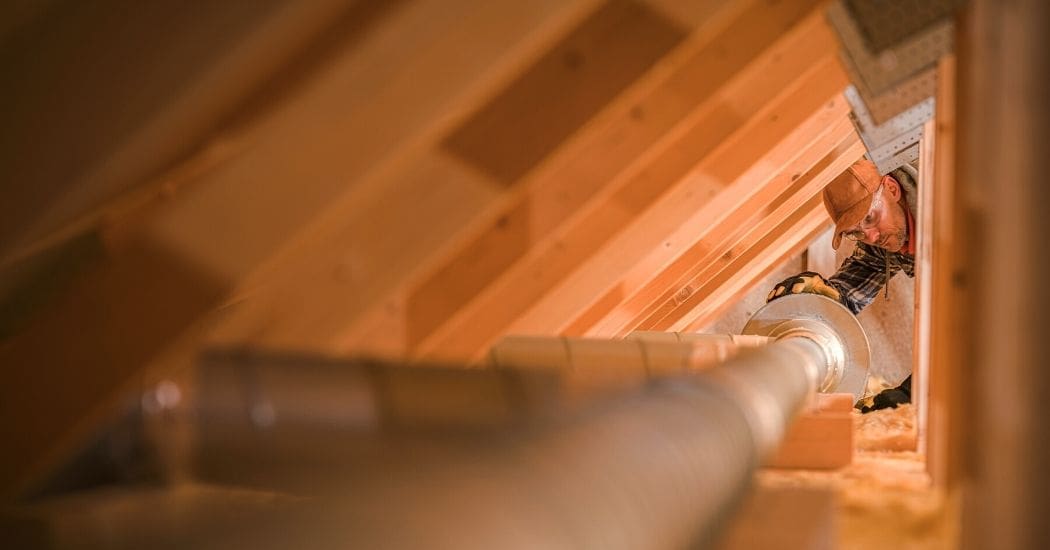
The flow formula It is one of the most important aspects of ventilation, along with air velocity and mechanical components.
Airflow Formula and Other Technical Considerations for Ventilation Systems
The Ventilation is one of the most important aspects when it comes to ensuring healthy conditions inside the spaces of any building—even more so in a world where the purity of the air we breathe is severely affected by pollution. There are a number of parameters and conditions, through which each country's technical regulations ensure that buildings have a efficient ventilation, And one of the most basic aspects is understanding the formula for flow rate through pipes.
The Importance of Ventilation in Indoor Spaces
The true function of the ventilation systems is to ventilate indoor spaces, since air that remains trapped inside a space easily becomes stale and can transmit and cause various illnesses after a certain period of exposure. This applies to public, commercial, and residential buildings alike, and is a requirement strictly addressed in the building codes of each country or region.
In addition to the air pollution caused by poor ventilation and high occupancy in indoor spaces, There are also uses and activities that add different components that are toxic or harmful to the indoor environment. In the case of households, the kitchens They are a very common source of indoor pollution, and the same is true for specific spaces used for tertiary or public purposes, such as boilers, certain types of machinery, manual activities, or the combustion of gases, which, if not removed from the environment, can cause significant harm to people's health.
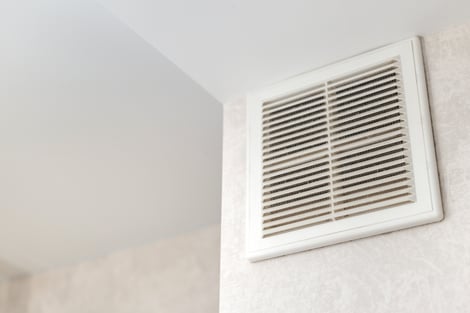 Ventilation. Source: Envato
Air Exchange Rate in Ventilation Systems
The factor that determines the The frequency at which the air in a space is replaced is the air exchange rate., and when it comes to mechanical ventilation, it depends on the capacity of the equipment used to move air through the duct, and of course it is affected by the duct’s cross-sectional area. This is why the cross-sectional area of the ducts decreases as they move away from the air-handling unit.
Each country's regulations also govern speed, except that it is done with acoustics in mind; that is, one must control the noise that may be generated when air flows through a duct at a certain speed, depending on the activity to be carried out in the space. Generally, the permitted speed ranges from 4 to 6 m/s in public, commercial, and residential spaces, while in spaces where industrial activities take place, speeds of up to 10 m/s are permitted.
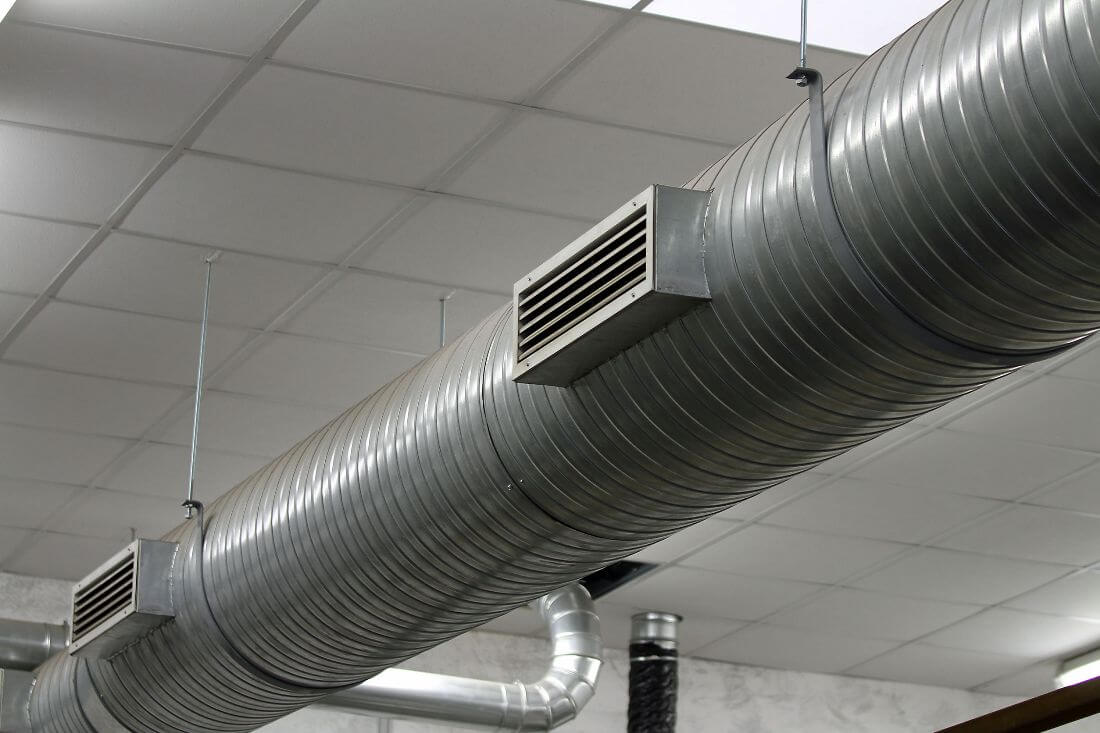
Sheet metal ventilation duct. Coolproject.es
Formula for Calculating Air Flow Rate
The flow rate is a generic term used in fluid mechanics to To determine the volume of a fluid that passes through a cross-section of a pipe in a given time. In the case of ventilation, the fluid under study is air, and the flow rate is typically expressed in m³/s (cubic meters per second), and is regulated by the standards of each country or region, depending on the intended use of the building or room, its floor area, height, and average occupancy. The formula is as follows:
Q = v × S
To find Q (flow rate), we must multiply the air velocity v across the cross-sectional area S. In Spain, ventilation regulations are expressed in International System (SI) units, which means that the area is given in square meters (m²), the velocity in m/s, and the airflow rate is calculated in m³/s.
Flow-Related Ventilation Components
AHU (air handling unit)
They are configurable devices which can house various components of a ventilation system that perform different functions, ranging from to purify, condition, or even refresh the air in a building or space. They are usually installed on the roofs of buildings and use the building's internal ducts to circulate air that has been previously treated by the UTA.
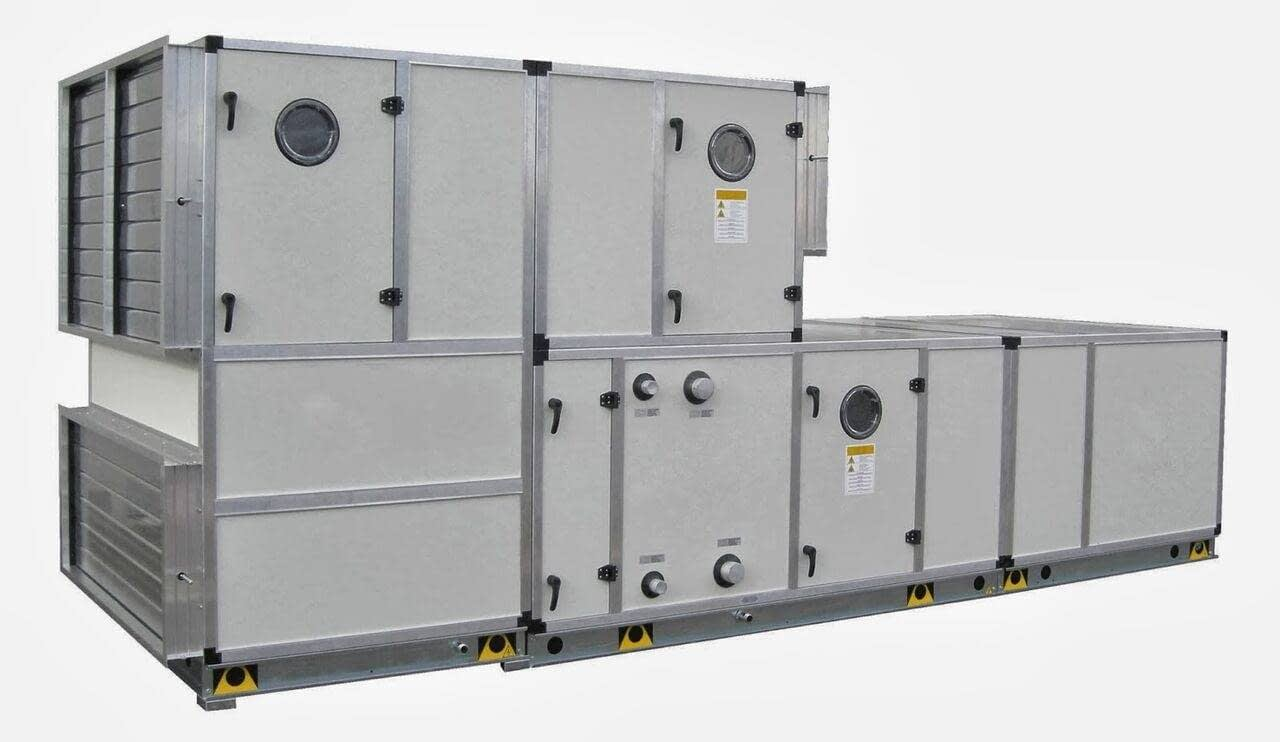
UTA. Imcalcala
Ducts
Ventilation ducts are linear elements with a cross-sectional area determined by the volume and velocity of the air passing through them which are used to supply or extract air in a given room. They are made of sheet metal, fiberglass, rock wool, and other types of insulating materials, with finishes such as fabric or aluminum foil, depending on the acoustic or aesthetic properties desired.
If you're looking to expand your career opportunities, at Structuralia We offer you the opportunity to take various training courses in this field and many others. Go for it and study at the best training school!