A common problem in the fields of engineering and architecture is determining whether a given structure is capable of withstanding a specific set of forces. This is where the so-called section modules. This term refers to a a geometric parameter of paramount importance in the design and construction of structures, since it is this that determines whether the structure will, in fact, remain standing or not when faced with specific forces.
What are section modules?
Although the introduction has already touched on the key points related to this concept, the truth is that it can still be explored in much greater depth. Technically, it can be defined as the resistance of an area relative to an axis, calculated as the ratio of the moment of inertia to the greatest distance from the reference axis; it is usually expressed in cm³, mm³, or in³.
That being the case, this is a property that combines such important elements as maximum tensile strength and toughness, as shown in the following image, taken from the prominent popular science magazine *Naukas*:
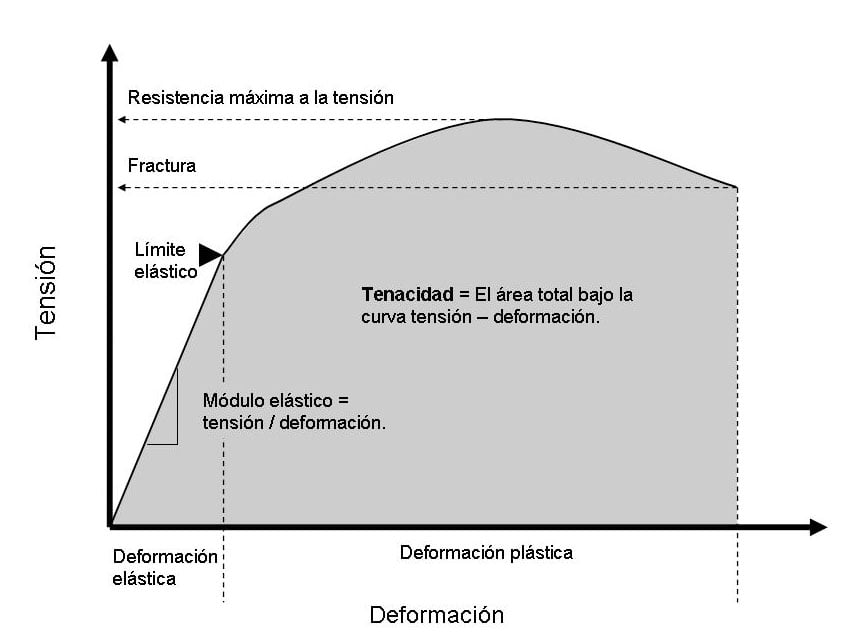
Source: https://naukas.com/fx/uploads/2013/03/micro02.jpg
How Cross-Section Modules Are Calculated
This quantity is calculated based on the shape and dimensions of the cross section, resulting in a representation of the relationship between the maximum stress across it and the amount of applied force.
As you can see, The shape and dimensions of the cross-section are important in each specific case, so the method for calculating the modules will depend, to a large extent, on those parameters.. For this reason, it can be said that there are many different cross-sectional modules and that their calculations are also varied, since we can discuss, among others, the following cross-sections:
- Square or rectangular cross-section
- Circular and elliptical cross-sections
- Double-T section
- Solid or hollow cross-section
For example, the moment of inertia of a solid rectangular cross-section is calculated by multiplying the square of the base by the height and dividing the result by six.
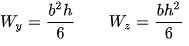
Source: https://wikimedia.org/api/rest_v1/media/math/render/svg/40969f6432150373a8f62312ea8176c13ed46b55
Practical Applications of Section Modules in Construction
As can be seen in numerous academic papers, such as this one from the Polytechnic University of Madrid, there are many practical applications of the quantity we are discussing here, especially in the field of construction. After all, knowing how much stress a structure can withstand is an essential consideration in each and every engineering and architectural project.
A practical example of its importance: the construction of bridge abutments
Although he has generally referred to the application of this parameter in the construction industry, there is one sector in which this need is particularly pressing: the construction of bridge abutments.
The fact is, as reflected in this blog post, are essential components of any bridge, and their careful design is crucial to the proper performance of their functions.
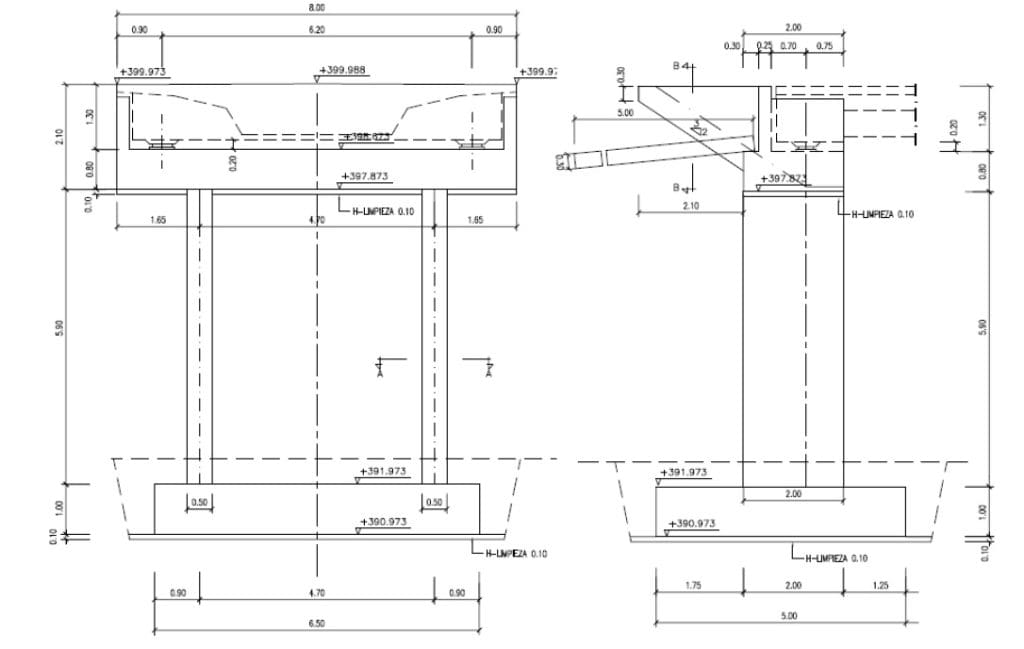
(Illustration of a bridge abutment design by UPV professor Víctor Yepes)
In conclusion, understanding what the section modules and how they are calculated is of paramount importance in the construction industry. For this reason, Structuralia offers numerous master's programs that will provide essential training for anyone who wishes to become a specialized professional. One of the master's programs most closely related to this topic, which is highly regarded and has practical applications, is the Master's Degree in Construction Materials and On-Site Quality Control, so it's always a good idea to learn more about it.