nZEB (nearly Zero Energy Building) buildings are structures with very low—practically zero—energy consumption, which equates to a very high level of energy efficiency. Most of this energy will come from renewable sources.
As of December 31, 2020, according to the European Directive on the Energy Performance of Buildings, all newly constructed buildings must have nearly zero energy consumption. After December 31, 2018, all newly constructed public buildings must be nZEBs.

Approximately 40 % of the energy consumed in Europe is accounted for by buildings, the implementation of these types of structures will lead to a significant reduction in the energy dependence that has existed for years and continues to exist today.
To achieve this goal, professionals in this sector must be highly qualified, as many processes related to the design, construction, and management of buildings will undergo changes.
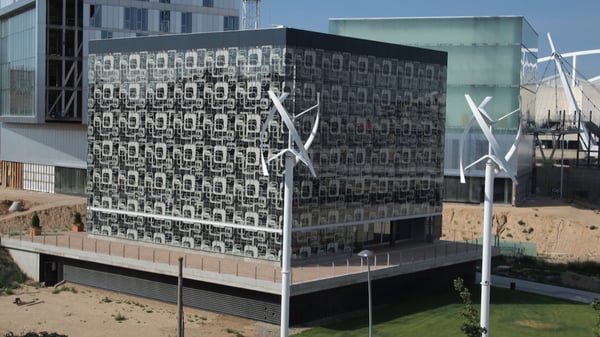
Architects will need to take into account climatic conditions, such as orientation, sunlight, humidity, topography, etc.; renewable energy systems will be installed, significantly reducing energy consumption from conventional sources; and other factors, such as insulation and airtightness, will be considered, among other factors.
As energy consumption decreases, it will reduce the amount of carbon dioxide emitted into the atmosphere, while also reducing pollution, curbing global warming y the depletion of fossil fuels.