The Offshore wind power in Spain It is on the cusp of a real transformation. For years, it was just a promise; now there are binding goals, projects in the works, and a value chain that requires technical talent that the market does not yet have in sufficient quantities. Engineering, shipbuilding, and energy companies that position themselves now will get there before those that wait for the sector to fully mature.
The Rise of Offshore Wind Power in Spain and Europe: Context and 2030 Goals
The European Union has set a target of 60 GW of installed offshore wind capacity by 2030 and 300 GW by 2050. Spain, with more than 4,000 kilometers of coastline and an estimated technical potential of between 20 and 60 GW, is in the process of defining its roadmap. The Maritime Spatial Plan (POEM) and the first zones designated for projects are clear signs that The Spanish offshore wind market is set to take off, and companies that are prepared will have an advantage over those entering the market without experience.
Fixed vs. Floating Offshore Wind: Technological and Talent Differences
The fixed offshore wind It is installed at depths of up to 50–60 meters using structures anchored to the seabed (single-pile, jacket, gravity-based). It is the dominant technology in the North Sea and the most mature. The floating wind power It uses semi-submersible or tension-leg platforms that allow wind turbines to be installed in deep water, where Spain has most of its offshore potential.
Technological differences lead to differences in the required skill sets. Onshore wind power requires expertise in marine foundation engineering and metal structures. Offshore wind power requires naval engineering, mooring system design, and experience with offshore oil and gas platforms—expertise that exists in Spain but needs to be adapted to the wind power sector.
The Offshore Wind Value Chain: Where the Opportunities Lie
Design and Manufacture of Wind Turbines
Offshore wind turbines now exceed 15 MW in individual capacity, with towers and blades of extraordinary size. The manufacture of large components for marine conditions is an opportunity for Spain's heavy industry, especially in the industrial ports of the north and the Mediterranean.
Installation and Maritime Logistics
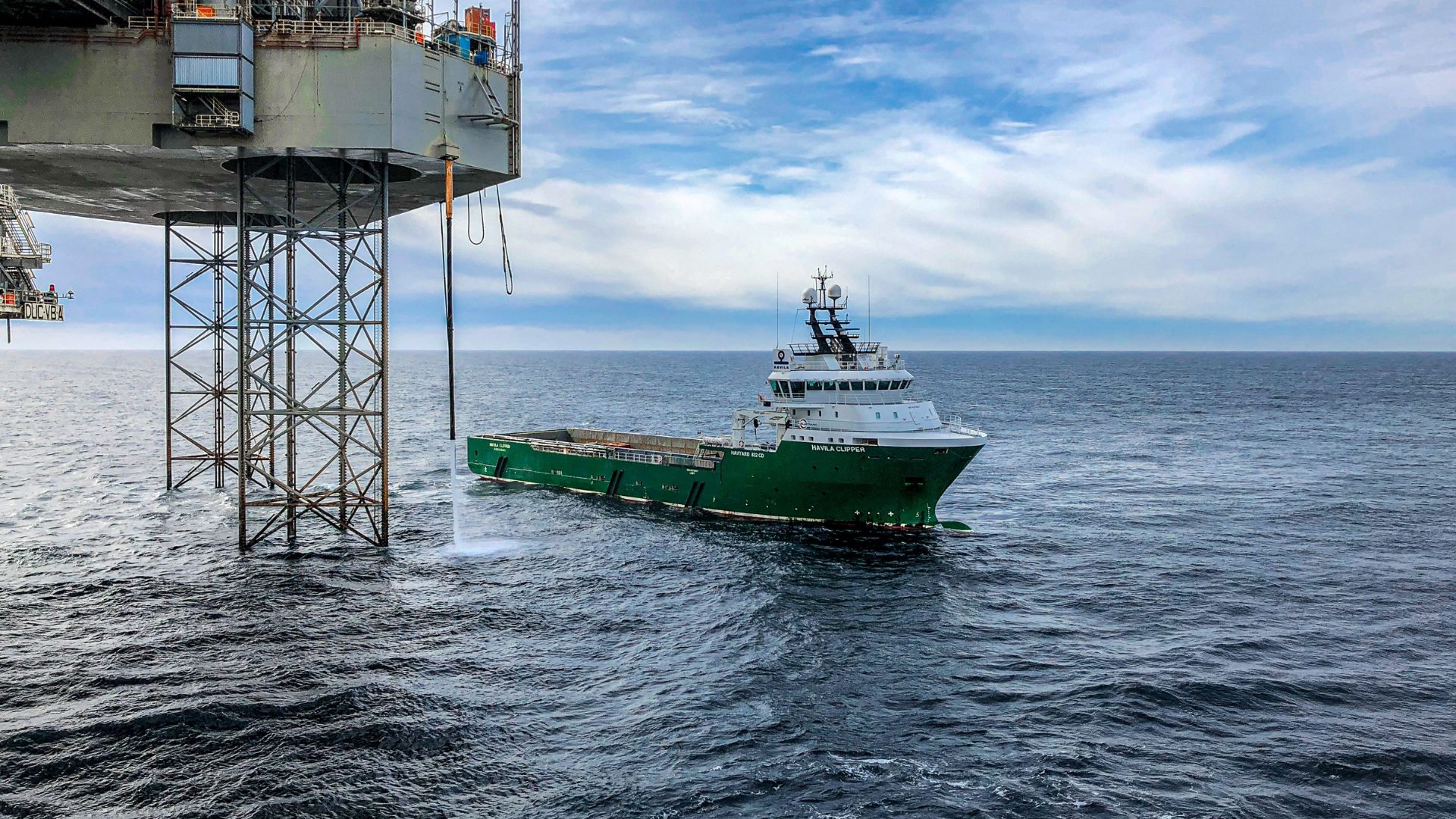
The installation of offshore wind farms requires specialized vessels, heavy-lift cranes, and highly complex maritime logistics. It is one of the most critical bottlenecks in the sector on a European scale, a shortage of installation vessels, which is affecting deployment timelines.
Operation and Maintenance (O&M)
Once it is operational, a wind farm Marine equipment requires ongoing maintenance under demanding conditions. Offshore O&M creates stable, highly skilled technical jobs throughout the facility's entire service life, between 25 and 30 years.
Grid Connection and Offshore Substations
Each wind farm requires an offshore substation and an undersea connection to the onshore grid. Underwater electrical engineering and high-voltage substations on offshore platforms are very rare specialties in high demand in all markets where the offshore sector is expanding.
Most In-Demand Technical Roles in Offshore Wind Projects
The offshore wind turbine profiles The most in-demand roles combine conventional engineering with specific knowledge of the marine environment. The most in-demand roles include marine structures and offshore foundations engineers, O&M technicians with training in working at heights at sea and survival at sea, electrical engineers specializing in submarine cables and offshore substations, specialists in the installation and maritime transport of large structures, and marine environmental engineers for impact assessments and environmental monitoring.
The common thread among all these profiles is the combination of specific technical expertise with the ability to operate in demanding marine environments, a combination that the market is slowly forming and that growing demand is putting significant pressure on.
The Talent Gap: A Shortage of Offshore Specialists
Offshore wind energy does not have a well-established training program in Spain. The types of professionals the sector needs come mainly from people transitioning from the oil and gas, naval engineering, onshore wind, and maritime infrastructure construction industries. This transition process takes time and requires specialized training that very few providers offer in sufficient depth.
How Teams Are Being Formed to Operate Offshore Wind Farms
The most advanced companies are developing internal training programs that take engineers with backgrounds in renewable energy or marine engineering and specialize them in the specific aspects of offshore operations. Training in marine safety, offshore work at heights, and the operation of service vessels is the most critical module and what most distinguishes a qualified technician from one who isn't.
Technical and Environmental Challenges of Offshore Wind Power
The seafloor of the Spanish Atlantic is deep, which makes offshore wind power the most important technology for the country, but also the most complex. The impact on marine ecosystems, compatibility with fishing and navigation, and marine corrosion are technical challenges that require specialists in marine biology, materials engineering, and oceanographic modeling.
Financing and Regulatory Framework for Offshore Projects
The Spanish regulatory framework for offshore wind power is still under development, This creates uncertainty but also presents an opportunity for companies involved in developing this framework. Offshore projects require large-scale financing, typically structured as project finance with participation from infrastructure funds and multilateral banks. Understanding this financial ecosystem is a key competitive advantage for engineering firms that want to position themselves as project developers or co-developers.
Trends in offshore wind power for the coming years
Wind turbines will continue to increase in power, with 20-MW turbines currently under development that will transform the economics of these projects. Offshore wind power will transition from pilot projects to commercial projects by 2030 in several European countries. And the shortage of installation vessels and specialized technical personnel will be the main bottleneck to large-scale deployment.
Offshore wind power is not an opportunity for the future: This is an opportunity that is opening up now, with a limited window of opportunity for companies that want to become part of the value chain before it becomes established. Has your company already identified the capabilities it needs to compete in this market?