Characteristics and Types of oil wells, from the initial exploration of the site to the successful extraction of black gold
Oil wells: essential components for hydrocarbon extraction
The oil wells are the cornerstone of exploration and exploitation of hydrocarbons. Thanks to these, it is possible to determine the location of reservoirs, define their dimensions, and achieve production. Based on these functions, there are different types of wells which depend on the drilling engineering techniques used. Their characteristics, uses, and functions are explained below.
Types of Oil Wells
An oil well is an engineering structure built to connect an oil reservoir to the surface through a borehole drilled with drill bits. There are different ways to classify oil wells, considering its:
- Location: terrestrial, shallow-water marine, deep-water marine, lacustrine.
- Trajectory profile: vertical, directional or deflected, horizontal, multilateral.
- Drilling Engineering.
Based on this last point and considering its function, the following three types of wells can be found.
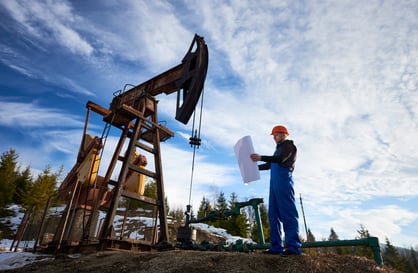
1. Exploration well or wild cat
These are wells that are drilled in areas with no prior record of oil fields, such as in a new producing area or formation. With them, one can start the progress of a project and are looking for determine the presence of hydrocarbons (oil or gas), while spending as little as possible. The information they generate comes from the geological data cuttings, control fluids, and fracturing fluids. In some cases, their scope is limited to a stratigraphic survey.
2. Test wells
With this type of oil well, it is possible to determine the size and the limits of the field, as well as its properties and the likely hydrocarbon production over time. They are also known as delineation, appraisal, or cutting-edge. They are important as a next stage to the exploration well, to design a project that minimize damage to the oil field and the environment, and more accurately predict its lifespan and oil production.
3. Development wells
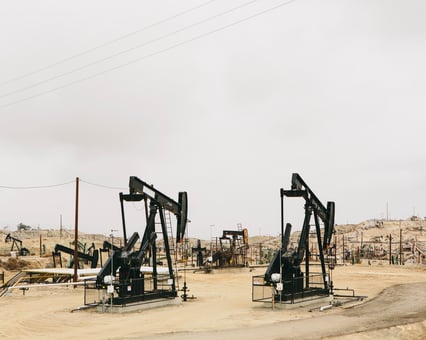
They are the oil wells fully operational systems that can be part of massive platforms, such as the Berkut Oil Company. These wells make it possible to extract and drain the reservoir's reserves, thereby increasing the field's production. They are often drilled in proven areas to reduce costs.
Within these wells, it is possible to find other associated rock types:
- Production wells. To improve production efficiency.
- Relief wells. They help restore control in the event of an uncontrolled outflow of crude oil.
- Injection wells. These are necessary to maintain reservoir pressure or to remove excess fluids.
- Observation wells. They are used to monitor the behavior of the reservoir's physical, geological, and chemical parameters.
It is also possible to find what are known as dry wells, which were shut down because they were no longer producing enough oil to be profitable.
Drilling Engineering
The drilling engineering It also plays a role in various tasks during the construction of the well:
- Design the well, specifying dimensions (diameters and depths), design casing and cementing, drilling parameters, geomechanics, mechanical requirements for the equipment, etc.
- Coordinates with other divisions to obtain the geological information and fluid production.
- Oversees the work plan to drill the well.
The rational exploitation of oil requires complex and costly methods and techniques. That is why it is important to understand the characteristics and functions of the different types of wells oil workers according to drilling engineering: exploratory, appraisal, and development wells. In this way, social, economic, and environmental benefits can be achieved for the country, with a long-term sustainable vision.
To learn more about the oil and aspects related to well construction, Structuralia offers various master's degree programs in Civil Engineering and Transportation such as the International Master's Degree in Geotechnical Engineering and Foundations or at Structural Analysis and Design Software. Very timely alternatives for effectively participating in global development.