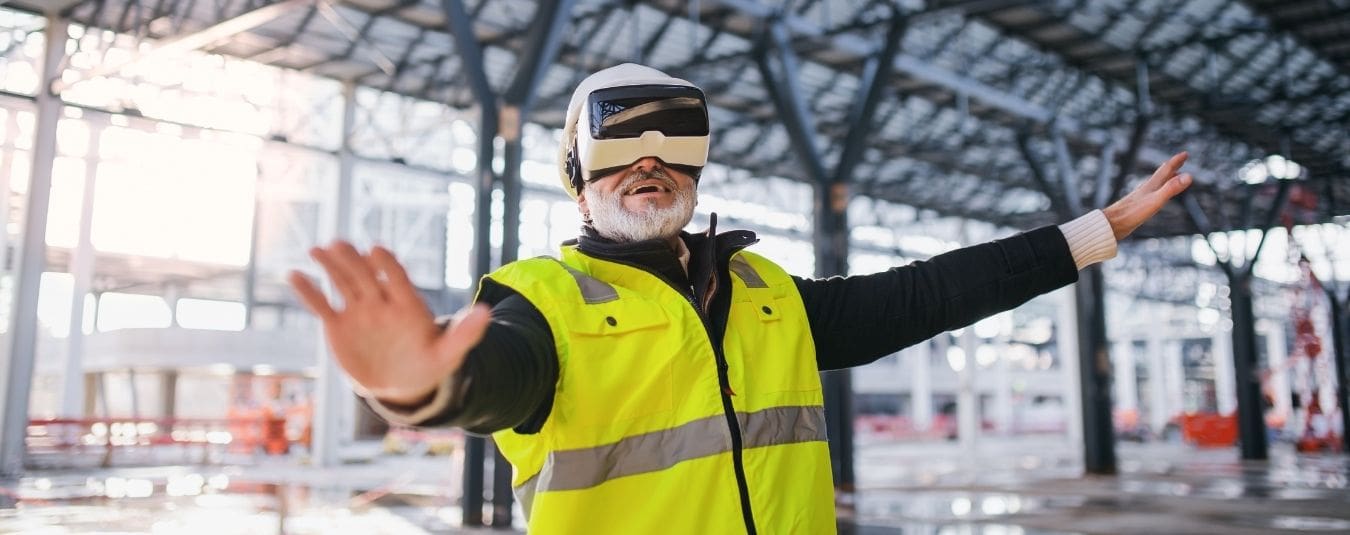
The Virtual Reality, also known as VR (an acronym), is becoming a field with great potential in the world of construction and civil engineering. What was, until recently, merely a topic to explore, is now It is changing the way engineers and architects design and build infrastructure and buildings.
The fact is, importing modeled scenes allows for the creation of Three-dimensional, real-time virtual tours. In this way, in addition to preview your projects before they run In reality, you'll also be able to interact with the developed environments.
Of course, to do this, you need to be familiar with the right software, and so far, the most widely used programs with the greatest number of applications on the market are Unity 3D y 3DMax.
As for hardware, approximately 105,000 virtual reality headsets were sold in Spain in 2016. This was reported in a study by The App Date, whose data also indicates that by 2020, virtual reality will be an integral part of everyday life, with more than 100 million users worldwide. What about you? Are you ready?
Benefits of Using Virtual Reality in Engineering
In this context, we’ll show you the main advantages of these applications in the fields of engineering and architecture.
1. Interactivity and Immersion
As we've mentioned, using virtual reality in your projects can give you the ability to interact with the environment you've created: walk through a building, adjust the lighting, change the dimensions, and so on.
2. Attracting New Customers
Using this type of technology has become a competitive advantage when it comes to attracting new customers, since It makes it easier for them to understand the processes without having to interpret the drawings. Keep in mind that with Virtual Reality, they can now view the project and navigate through it… Even before it takes place! This way, getting a sense of the final result becomes a full-fledged sensory experience.
3. Facilitates decision-making
Customers get a clear idea of what they'll get when they place an order. This makes it easier for both parties to make decisions regarding textures, materials, colors, shapes, sizes, and other factors. changes that can be made by rebuilding the project.
4. Improves team coordination
In addition, Virtual Reality streamlines workflows and prevents potential errors. What's more, all stakeholders involved in the project can make changes in real time, which in turn improves coordination and communication among them.
5. Promotes job creation
Finally, it is worth noting that, thanks to the versatility that virtual reality is demonstrating and according to data from the European Commission, for every person working in this field today, there will be 12 others by 2022. However, there are still many professionals who lack training in this field, so pursuing a specialized graduate degree in Virtual Reality can be a good way to find new career opportunities in the industry, advance your professional development, or set yourself apart from other candidates.
There is no doubt that virtual reality is revolutionizing the industry.