https://blog.structuralia.com/hubfs/Talud%20carreteras.jpg
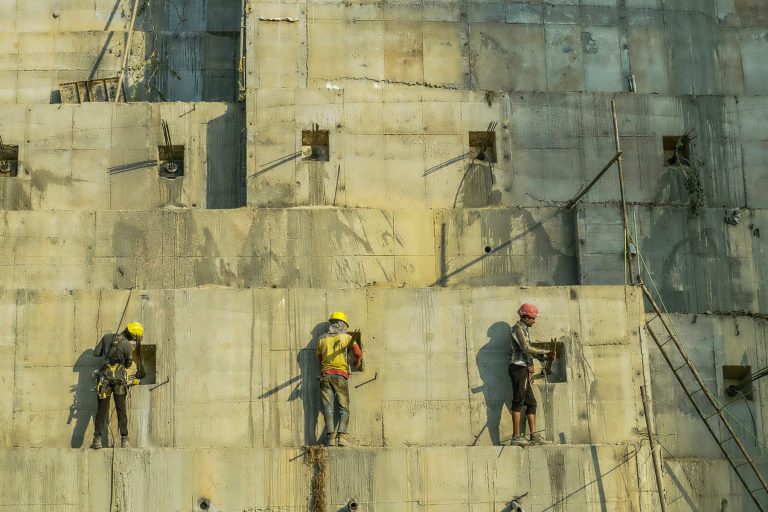
Earthwork is closely linked to road construction, as it allows the design grade to be achieved by creating embankments and cuttings.
Embankments will be necessary when the road grade is at a higher elevation than the natural ground level, so it will be necessary to add material, prioritizing the use of the excavated material in other areas of the construction site for economic and environmental reasons.
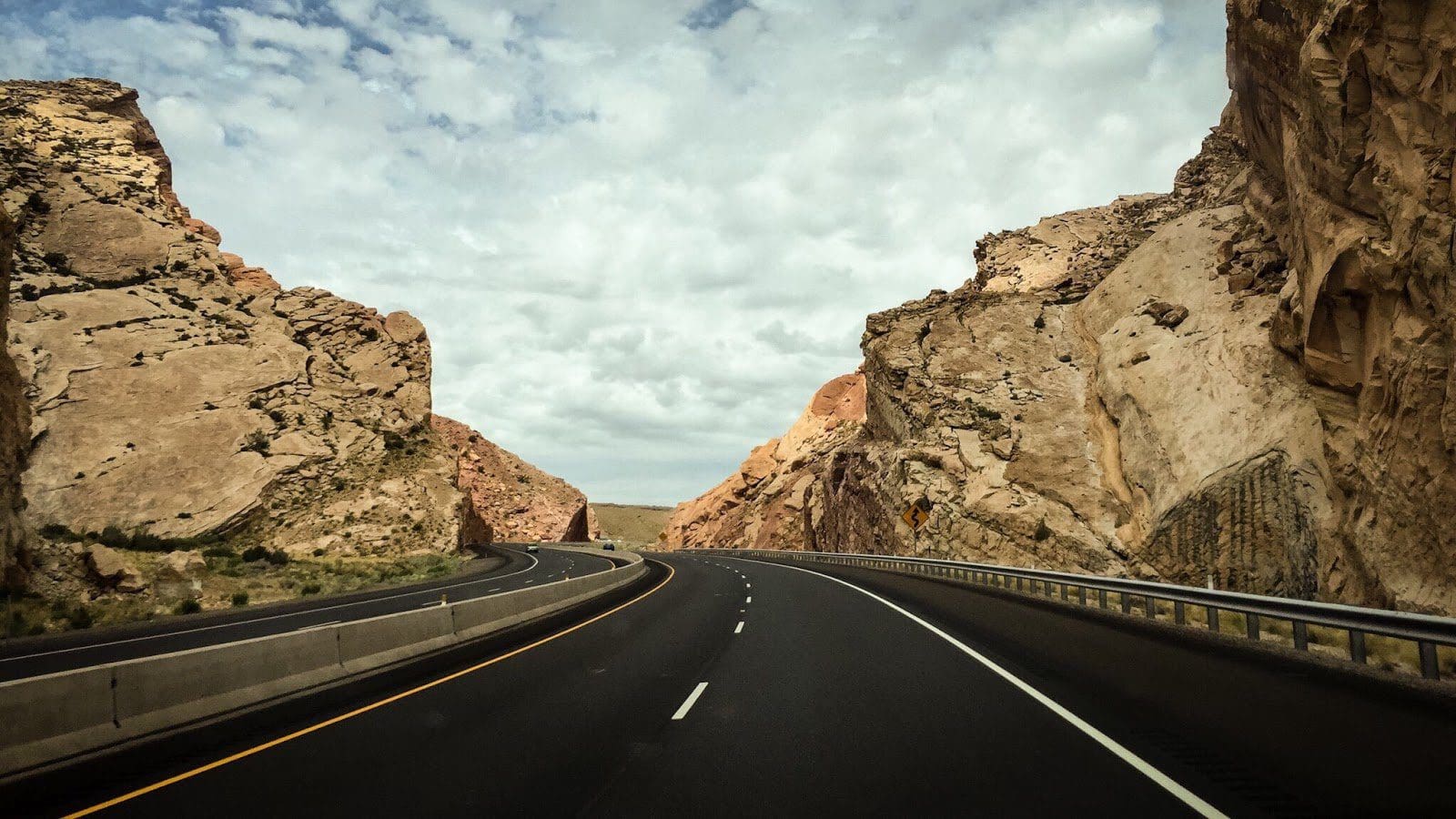
On the other hand, cut sections occur when the road runs at a lower elevation than the surrounding terrain, requiring the excavation of part of the surface. Settlement can also occur midway up a slope, where an embankment section is combined with a cut section.
Given the importance of this type of construction work to the proper functioning of roads, close attention must be paid to potential stability issues with the slopes.
Next, we'll take a look at the Major instabilities that can occur in embankments and cut slopes:
Rockfalls
A landslide can be defined as the separation of a mass from a slope of a cleared area along a cut surface—usually a small one—with the mass falling largely through the air.
Landslides generally affect isolated areas, although sometimes a large mass of earth may collapse, posing a serious danger and causing extensive damage to infrastructure.
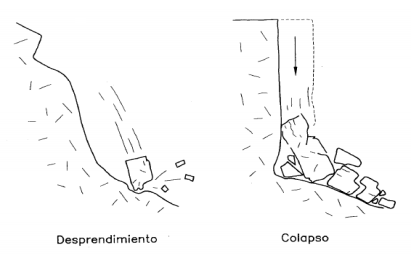
Rockfall and collapse. Source: García Yagüe and Corominas.
Areas where this type of instability can occur have a geological structure that alternates between strong and weak layers; weathering of the soft layers concentrates pressures at the edge, causing failure due to flexotensile stress.
Rollovers
This type of instability occurs only in rocky environments and involves the rotation of a column- or block-shaped mass on its base under the action of gravity and other forces, such as the pressure exerted by water present in the fractures.
Within the category of overturns, we can distinguish two processes:
It occurs in rocks with a system of fractures that form cantilever beams that ”bend” forward fracturing due to bending. This type of fracture is characteristic of phyllites or finely layered shales.
The detached mass causes a sudden rotational movement, resulting in the rotation around its outer base. They are usually found on the edges of rocky cliffs.
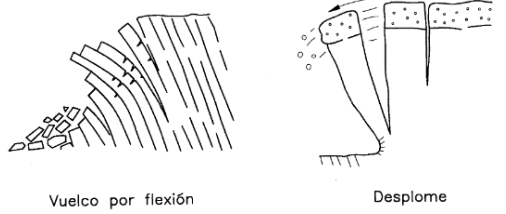
Types of rollovers. Source: García Yagüe and Corominas.
Landslides
Landslides are the phenomena that most significantly affect the stability of highway embankments. This type of movement occurs along one or more surfaces when the shear strength of the slope material is exceeded.
Landslides can be classified into the following types:
- Rotational Slides
It takes place along an internal sliding surface dcircular or concave in shape, around an axis parallel to the slope. Three types can be distinguished based on the part of the slope where they originate:
- Slope failure surface, when the slope fails above its toe.
- Slope foot failure, extending from the foot of the slope to above the base.
- Slope base failure, if the failure occurs below the toe of the slope.
- Translational Slides
In this type of landslide, the ground shifts outward and downward by means of a flat or slightly undulating surface on which small rotational movements occur.
There are different types of translational landslides:
- Slips.
- Wedge-shaped landslides.
- Landslides
- Debris flows.
It should be noted that, unlike rotational landslides—which tend to restore equilibrium—translational landslides can continue indefinitely if the failure surface is inclined and continuous.
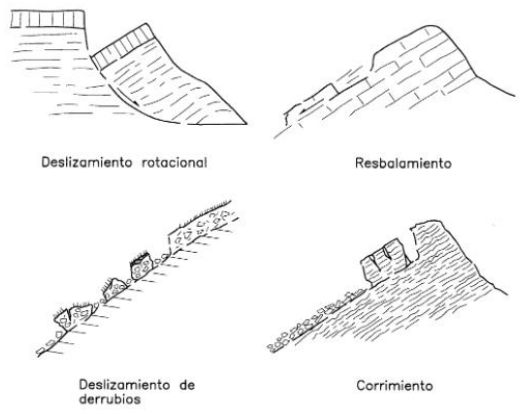
Types of landslides. Source: García Yagüe and Corominas.
Within this type of ground instability, we can distinguish two types:
- Fracturing and spreading of compacted material due to the liquefaction of clayey sediments.
- Movements without basal shear zones or plastic flow: very slow movements that primarily affect soft, deformable lithologies such as wet clays.
Flows
The main characteristic of this type is its similar to the motion of a viscous fluid in which their speed depends on the water content, the slope's incline, or its drainage. They can become very dangerous under certain conditions, even causing large avalanches.
Next, we'll look at the different types of flows that can occur:
- Crawling: Very slow movement on surfaces without cuts, noticeable only when studied over long periods of time.
- Earth flows: a slow flow of soil or rock down moderately sloped hillsides.
- Solifluxion: small-scale displacements that occur in cohesive soils of limited thickness.
- Debris flow: rapid movements of large-sized detrital material, such as sand or gravel, with a high water content.
- Sand and silt deposits: occur in these types of materials due to structural collapse.
- Avalanches: the movement of large volumes of earth or rock at high speeds.
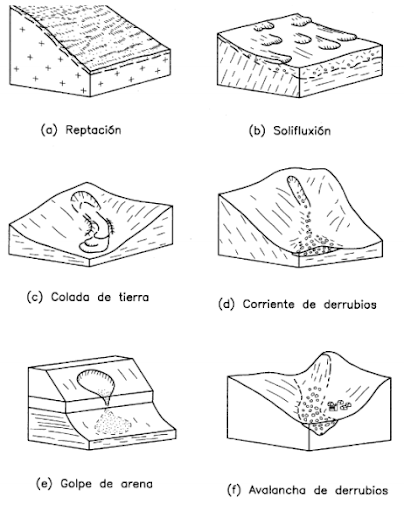
Flow patterns. Source: García Yagüe and Corominas.
Following this brief overview of the main types of instability that occur on road embankments, if you'd like to specialize in road maintenance and operations, you can do so with our Master's Degree in Highway Maintenance and Operations Engineering.