Originally published on September 28, 2021; updated on December 5, 2022.
Do you know what hydropower is? In this post, we'll walk you through all the pros and cons of this type of energy.
The hydropower is obtained from the kinetic energy generated by moving water, usually in the hydroelectric power plants next to a reservoir. The flow and force of the water are harnessed to power water turbines or water mills, which in turn rotate a generator connected to a rotor. The rotation of the rotor is what generates electricity, in accordance with Faraday’s principles. On the surface, this appears to be a renewable energy source, since water is always flowing, but we will see below that there are also Advantages and Disadvantages of Hydropower that must be taken into account.
Hydropower: Learn About All Its Advantages and Disadvantages
Hydropower is obtained from kinetic energy generated by moving water, usually in hydroelectric power plants next to a reservoir. The flow and force of the water are harnessed to to power turbines or water mills, which in turn rotate a generator connected to a rotor. The rotation of the rotor is what produces electricity, in accordance with Faraday's principles.
On the surface, it can be said that this is a renewable energy source Well, water always flows. Even though it presents major advantages, hydropower also has a number of disadvantages that should be taken into account.
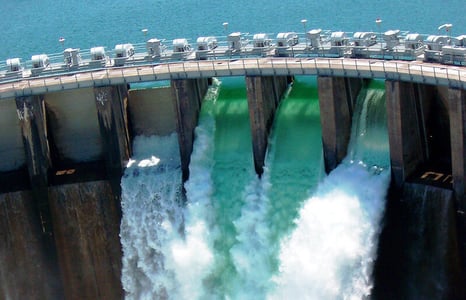
Photo: Energy Factor
What are the advantages and disadvantages of hydropower?
Before we get into the pros and cons, it's important to know that hydropower It provides a continuous energy supply, although it is also true that it is usually limited and specific, since it requires from a reservoir on a river or lake to generate electricity. Now, some of the advantages and disadvantages of these hydroelectric power plants are as follows:
Advantages of Hydropower
Here are some of the benefits of reservoirs as a source of hydropower:
- It is a renewable energy since it is generated by the fall of water from a reservoir. The reservoir is fed by rainwater, and as long as the water cycle continues and the reservoir does not dry up, it will continue to produce hydroelectric power; therefore, it can be said to be an inexhaustible source of energy.
- It is a clean energy since hydropower produces no waste (neither physical nor chemical) and no greenhouse gases. Although organic waste decomposes in reservoirs—which could be a source of methane emissions—it has been shown over time that the amount is negligible.
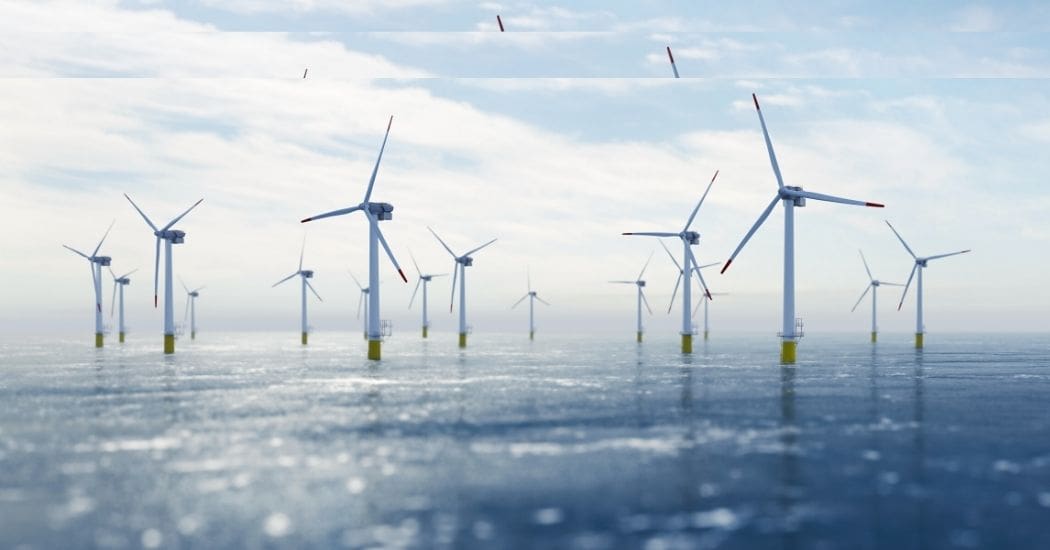
- Provides stable electricity supply. Because it has water reserves, it does not depend directly on rainfall; in other words, even if it doesn't rain one day, energy production does not stop. This is not the case with other renewable energy sources, such as wind power—which does not generate electricity when there is no wind—or solar power—which does not produce energy on cloudy days.
- Hydropower generation is flexible It can be adapted to current needs because the flow of water driving the turbines can be regulated. This makes it possible to control whether more or less electricity is generated, which is one of the major differences compared to other types of energy.
- It is a very economical source of energy in the long term, since the main investment required is the construction of the hydroelectric plant. The energy is renewable and free, and it is not subject to market fluctuations.
- It is safe. This form of energy cannot cause accidents that pose a danger to our health or that of animal and plant species, as can happen with nuclear energy.
- It is used for prevent flooding and to reclaim swampy areas.
- Irrigation Supply in Farming Areas, for areas with limited water supplies or during periods of drought.
- Storing water in reservoirs also serves to engage in recreational activities.
- Allows control the river's flow and prevent flooding as a result of the torrential rains.
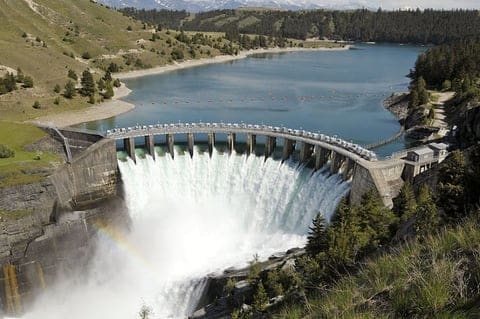
Photo: Green Renewables
Disadvantages of Hydroelectric Power
In contrast to all the advantages mentioned above, hydropower presents the following drawbacks:
- It may be affected by droughts, Although, in reality, dams always maintain a water reserve for times when it doesn’t rain. However, the reality is that in areas experiencing prolonged droughts, this form of energy is either not viable or involves costly and difficult projects, such as diverting the course of another river to feed the reservoir. For this reason, periods of severe drought can be a real obstacle to generating electricity in this way.
- It requires a large initial investment. Building a hydroelectric power plant requires a large capital investment, although it is also true that maintenance costs are low.
- Environmental Consequences since construction hydroelectric power plants It causes changes in the ecosystem that seriously affect animals and plants, as well as water quality.
- Finding the Right Place It is a somewhat complicated task, since the terrain must have the right topography and be dependent on the watercourse in order to make the most of the land.
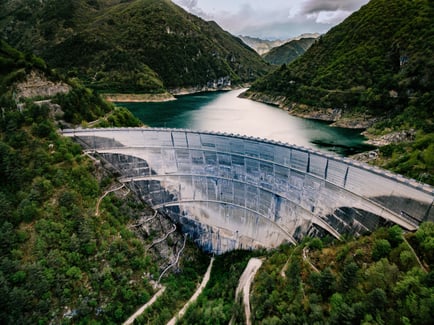
How can we make the most of hydropower?
In light of the problems that may arise with hydropower Since the project depends on rainfall and drought cycles, it is essential to have a thorough understanding of the terrain where it will be built the hydroelectric power plant. Furthermore, given the advantages and disadvantages of this energy source, it is also advisable to conduct a study of other alternatives for renewable energy and clean, such as wind power y the solar farm.
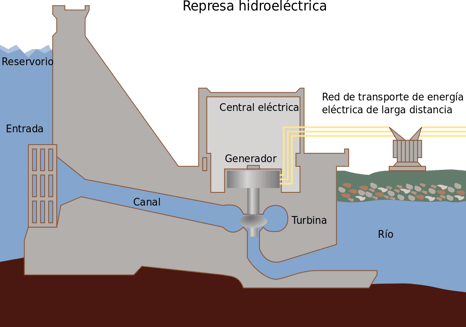
Photo: Wikipedia
To learn everything about hydropower and other energy sources, we recommend that you look into the Master's Degree in Energy Efficiency and Renewable Energy, or the Master's Degree in Sustainable Electric Power Generation. Expanding your knowledge in this area can be a great help when it comes to dealing with environmental problems of the present, and thus, ensure energy availability of the future.