If there is one movement in architectural design that, decades after its heyday, has continued to spark debate, it is the Architectural Brutalism. It wasn't limited to the rough, rugged appearance of the buildings, with their exposed concrete finishes. It represented a way of thinking and a reaction to other architectural movements of the 1950s, challenging the norms of urban design.
In this article, we will examine its origins, its characteristics, and why it has sparked such a wide range of opinions regarding the design of our cities.
What is architectural brutalism?
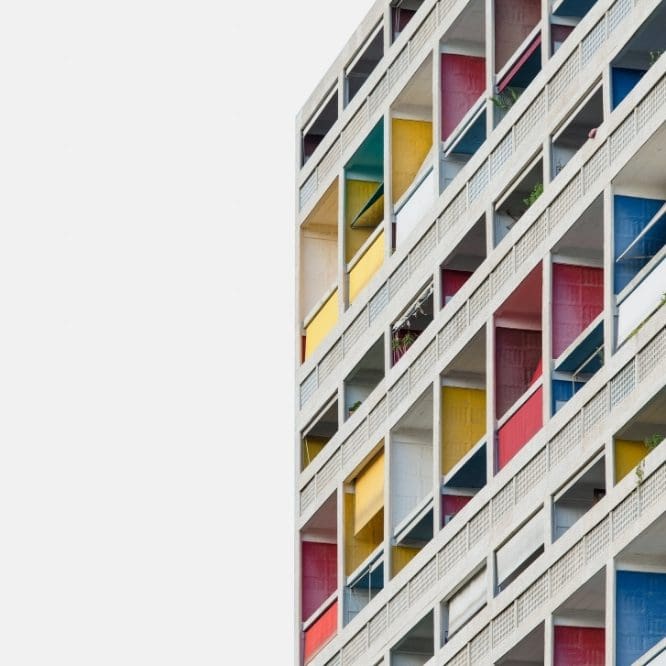
The architectural brutalism It is a style that became popular between the 1950s and 1970s, emerging from the Modern Movement. Its name comes from the French raw concrete, which means «exposed concrete». He was the renowned architect Le Corbusier who popularized this expression to describe the finish of buildings such as the Unité d’Habitation in Marseille. Although Le Corbusier The British architects who influenced the foundations and early stages of this movement were Alison and Peter Smithson those who coined and established the term «Brutalism». The goal of this style was to design a honest architecture, unadorned, revealing its structure without trying to hide it behind finishes.
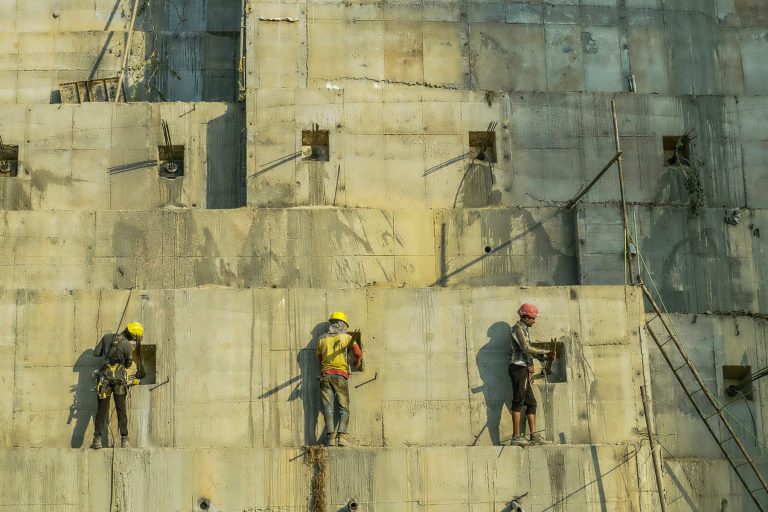
This style emerged in the postwar period, so there was a great need for rebuild the buildings and to find new ways to organize cities, with an aesthetic that would not entail significant additional costs. That is why they began to use materials that were quick to work with and required minimal finishing, such as the reinforced concrete with a raw finish. This material took center stage, used as is, without the need for decorations, cladding, or paint.
Architectural brutalism did not seek the traditional beauty of buildings from centuries past. Its goal was to be sincere and honest: buildings were meant to reveal the materials from which they were constructed and to be durable, and this gave them added value. The structure, the materials (especially concrete), and even the utilities were left exposed, without any layers to conceal them. This style spread throughout the world, adapting to each location while maintaining common features that made it instantly recognizable: large buildings with clear geometric shapes and exposed concrete.
The Brutalist Aesthetic
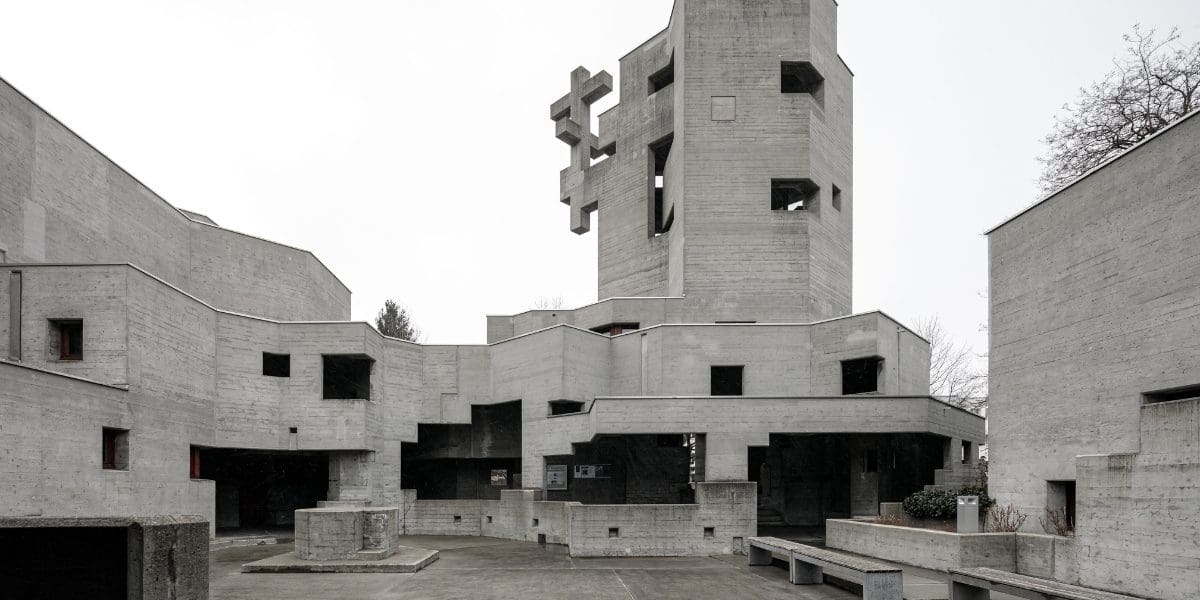
Recognize a Brutalist building It's easy to spot because of its imposing appearance. The most distinctive feature is the widespread use of reinforced concrete without any kind of finish, often revealing the marks on their surface left by the formwork used during construction. This rough texture gives the buildings a rugged, powerful physical presence.
The forms are usually large, repetitive geometric blocks that play off each other through depth. There is no superficial decoration; the beauty lies in the significance of the forms, the texture of the concrete, and the interplay of light and shadow on its rough surfaces. The Brutalist architects They wanted to make an impact with the visual power and raw nature of the material.
All of this set architectural brutalism apart from other modern movements, which favored smooth, polished surfaces with finishes and cladding. In Brutalism, the small imperfections in the concrete are accepted and form part of the building’s essence, as do the patterns created by the geometric shapes of its concrete window frames and cornices, which serve to provide shade from the sun. Many Brutalist buildings They are intentionally massive, housing libraries, universities, or government buildings, to convey a sense of solidity and durability over time—a quality sometimes interpreted as a symbol of institutional strength. There are also residential buildings in this style that, on a smaller scale, retain these highly recognizable design features.
Functionality in Brutalist Architecture
Beyond its striking and rough appearance, Brutalist architecture placed special emphasis on the functionality of buildings. The choice of concrete as the primary material made it possible to create spacious, open interior spaces, which was very practical for buildings such as universities, hospitals, or government offices. Also, the construction system using formwork, which functioned as “molds,”, It was easy to come up with new geometric shapes by filling them with concrete—shapes that would be difficult to achieve otherwise.
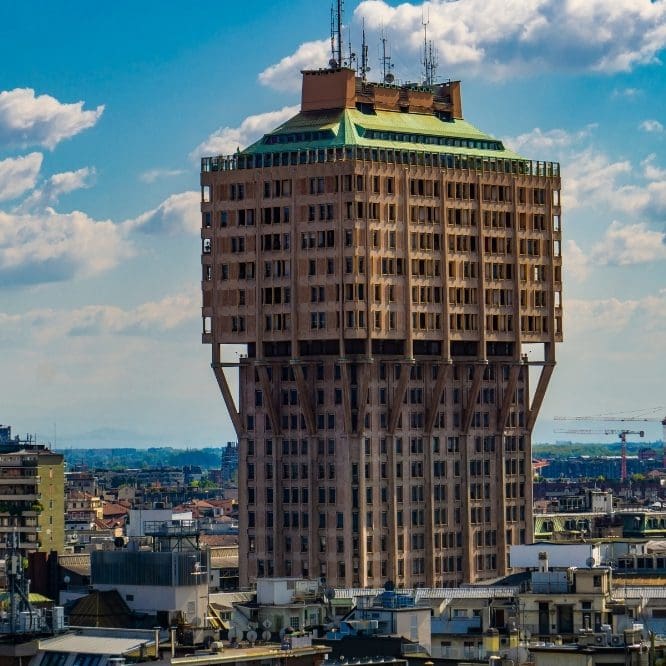
Brutalist architects designed with a strong focus on the intended use of the building, especially if it was a public space. It was very important to ensure clear circulation paths, a separation between the different areas that made up the space, and common areas where everything came together. They were designed with durability in mind, capable of withstanding heavy use. Many buildings from the golden age of Brutalist architecture continue to serve their original purpose to this day, demonstrating that the goal of functionality and durability over time has been achieved.
Why does it generate so much controversy?
Few architectural styles divide opinion as much as Brutalism. Ever since they first began to be built, these buildings have been loved by some and hated by others. Their detractors see them as oppressive cement blocks, cold y not very human, which give cities a stark and somber appearance (especially as the concrete ages over the years), evoking bygone eras.
But architectural brutalism is gaining more and more supporters, who appreciate this movement for its groundbreaking design, the raw, unadorned nature of its materials, and its historical significance in the 20th century, highlighting its qualities.
The controversy stems from the clash of opinions between those who believe it reflects a decadent aesthetic, and the recognition of architecture experts and historians, who view Brutalism as a complex style with a lot to say.
Conclusion: Brutalism as a Reflection of Its Era
Architectural brutalism is a major chapter in the history of architecture. It emerged from the idea of being true to its materials and function, using concrete as its primary material. Thanks to this movement, our cities are home to large buildings that leave no one indifferent, with their massive appearance and distinctive texture.
The controversy surrounding Brutalism reminds us how complicated it can sometimes be to evaluate architecture—a field where subjective taste, history, and public opinion intertwine—as we explore the design ideas of a bygone era, and recognizing how architecture shapes society and, in turn, is shaped by it.
Are you interested in modern architecture and its impact on cities? Discover our Specialized Master's Degree in Virtual Reality Architecture and learn how to design spaces that blend creativity, technology, and functionality for the urban environment of the future.