
In the age of digital transformation and Industry 4.0, the job market for civil engineers has a promising future.
The job market for civil engineers continues to grow in this digital age
Civil engineers play a vital role in the construction and development of our modern world. His work goes beyond designing bridges and buildings; they are responsible for bringing to life the infrastructure that underpins our societies. Currently, the demand for these professionals has been growing steadily, and their role is becoming even more important in a context marked by digital transformation and the Industry 4.0 revolution. In this article, we will explore the exciting career opportunities for a civil engineer, offering young talents and recent engineering graduates a clear and promising vision of their future in a field that is constantly evolving.
The key to making the most of these opportunities lies in understanding how civil engineers are adapting to emerging trends and how they can contribute to the sustainable and resilient development in our communities. The job market in the engineering sector is constantly changing. In addition, in recent years, a revolution has been taking place as a result of the use of new technologies.
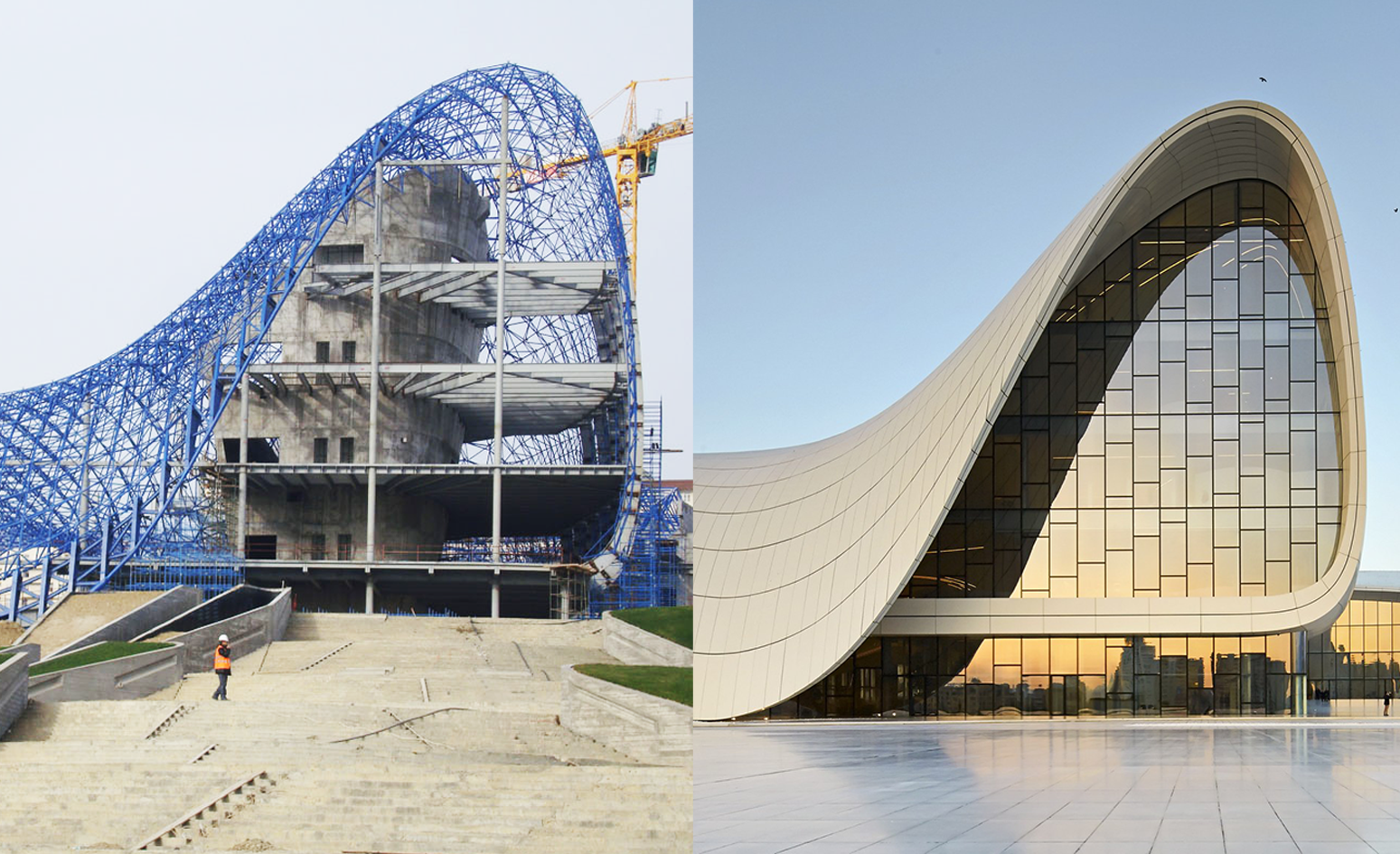
Organic and parametric structures designed by civil engineers, thanks to advances in computational software and the expansion of their professional field. Inesa-tech.com
New Career Opportunities for Civil Engineers in the Digital Age
Digital transformation has taken every industry by storm, and the field of civil engineering is no exception. Modern civil engineers not only They are responsible for planning and executing construction projects, but they have also become essential pillars for the implementation of advanced technologies that optimize efficiency and sustainability in the built environment. Here are some of the new opportunities that civil engineers can explore in this changing job market:
1. BIM (Building Information Modeling) Design and Modeling:
The adoption of BIM has revolutionized the way in which Construction projects are planned and carried out. Civil engineers can to specialize in the use of this technology to create 3D digital models that They improve decision-making, reduce costs, and minimize errors during construction.
2. Advanced Structural Engineering:
With the tool help from computer simulation, civil engineers can carry out structural analyses more accurate and efficient. This is essential in the construction of buildings and bridges safer and more durable.
3. Project Management and Digital Construction:
The project management construction has become more efficient thanks to software solutions. Civil engineers can specialize in digital project management, using tools such as programming software and cost control to ensure that projects are carried out effectively and within budget.
4. Smart Infrastructure:
The smart infrastructure is based on sensors and monitoring systems in real time to improve the efficiency and safety of cities. Civil engineers can participate in the planning and development of systems for smart transportation, Efficient water networks and connected buildings.
5. Sustainable Water and Energy Systems Engineering:
In a world increasingly concerned about sustainability, civil engineers have the opportunity to lead projects that address challenges such as water management and renewable energy. Resource optimization and the reduction of the environmental footprint These are key aspects in this area.
6. Construction Technology Consulting:
Civil engineers can provide consulting services specializing in construction technologies other companies in the industry. This includes advice on the adoption of digital tools, team training, and process optimization.
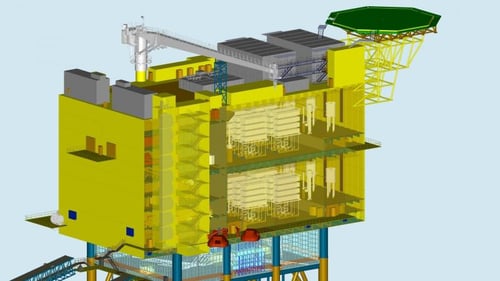 New technologies in the field of civil engineering, specifically in the development of BIM projects for offshore renewable energy, such as this HVDC platform by the Dragados Group. Elplural.com
Digitization and New technologies are redefining the way construction projects are planned, designed, and executed, which opens up a range of opportunities for civil engineering professionals who are willing to embrace change and stay up to date in the latest technological trends. These new options not only promise a bright future, but also offer the opportunity to make a significant contribution to sustainable development in our communities.
In short, the future of civil engineering looks full of challenges and exciting opportunities in an increasingly digital world. For those looking for to stand out In this constantly evolving field, training and specialization in the areas of technology and sustainability are key. In this regard, Structuralia stands out as a an invaluable partner, offering a wide variety of courses and master's programs that are perfectly aligned with the new technologies and fields we have explored in this article. Investing in their professional development will not only allow them to stay at the forefront, but it will also will open the door to the best job opportunities in the dynamic world of civil engineering.