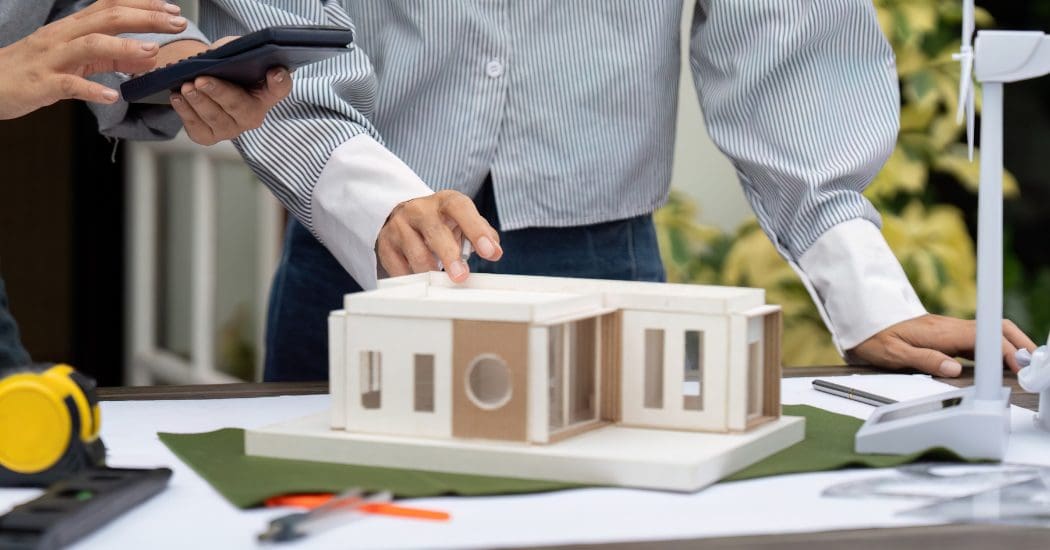
In recent years, the circular architecture It has emerged as an innovative response to the environmental and economic challenges facing the construction industry. This approach, based on the principles of the circular economy, aims to transform the way we conceive, design, build, and reuse inhabited spaces.
But what exactly does this term mean, and how does it apply in the real world? In this article, we explore how the circular economy translates to the construction industry and what impact it may have on our planet—
What is circular architecture?
The circular architecture It is an approach to designing and constructing buildings with sustainability and environmental protection in mind. Its main objective is minimize waste and resource consumption as much as possible, committing to a more efficient, sustainable, and responsible model.
Unlike traditional construction (which is often «disposable»), circular architecture aims to ensure that a building's materials and components can be reused, recycled, or repaired easily when they are no longer needed. To achieve this, recyclable materials are used, waste is prevented from the design phase onward, and the building’s entire life cycle—including its dismantling—is planned.
This approach is closely linked to proper Construction and Demolition Waste Management, which has become a top priority in the effort to move toward a more sustainable model in the sector.
Five Principles of Circular Architecture
The Circular Economy in Architecture is based on five pillars:
- Designed for Durability and Disassembly: to consider the building's future from the conceptual phase onward.
- Use of sustainable and reusable materials: prioritizing recycled, locally sourced materials with a low environmental footprint.
- Modular and Flexible Construction: The spaces are designed to be adaptable and reconfigurable, so that they can be adjusted to meet new needs without the need for demolition or major renovations.
- Resource and Energy Optimization: from energy efficiency to water conservation and waste reduction on construction sites.
- Full Life Cycle Thinking: From design through the end of a building's useful life, the environmental impact of each phase (extraction, manufacturing, transportation, use, and dismantling) is analyzed with the goal of minimizing it as much as possible.
Innovative Materials in Circular Architecture
The Circular Economy in Construction requires us to rethink not only how we design buildings, but also what materials we use to build them. In this new model, materials are not disposable, but rather valuable resources that can be reused, recycled, or reincorporated in future projects. These are some of the most innovative materials used in circular architecture Today:
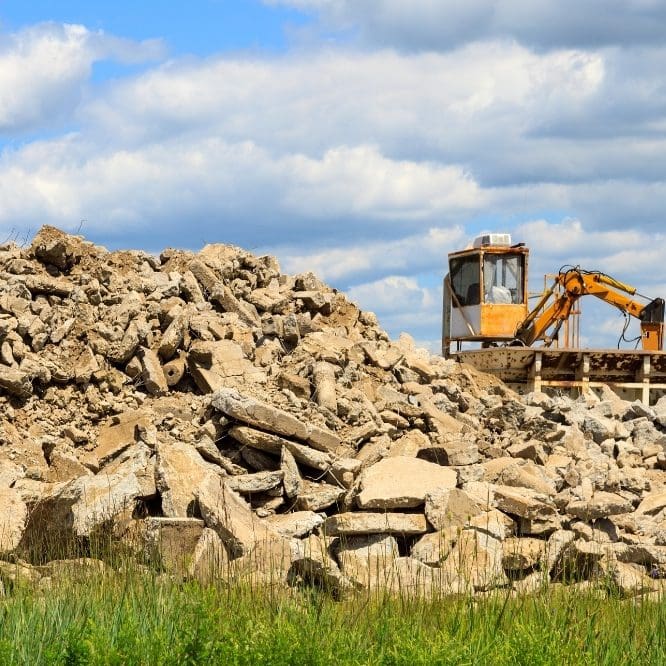
Recycled concrete
Concrete is one of the most widely used materials in the world… and also one of the materials that generates the most waste. But this is changing; the recycled concrete It is obtained from waste generated by previous construction projects. When demolished concrete is crushed, aggregates are recovered that can be reused in structural or non-structural mixtures, reducing the need for virgin raw materials and the generation of construction debris.
Biomaterials
Hemp, cork, mycelium, flax… They may sound like agricultural products, but these biodegradable, renewable materials with a very low carbon footprint are the future of the circular architecture. They are used as thermal and acoustic insulation or even in interior finishes. They are a clear example of how the Circular Economy in Architecture is committed to regenerative and local solutions that contribute to a cleaner and more sustainable construction cycle.
In addition, this philosophy is complemented by approaches such as the biophilic design, which promotes the integration of nature into built environments to enhance well-being and sustainability. Both models share the same vision: to reconnect architecture with its surroundings and with the people who inhabit it.
Waste Bricks
Made from industrial waste, recycled plastics, or even municipal solid waste, these innovative bricks not only reduce the amount of waste, but they also offer good thermal and structural performance. They are already part of several examples of circular architecture on an international scale.
Engineered wood (CLT or cross-laminated timber)
Wood has always been a classic material in construction, but the CLT engineered wood It's in a league of its own. These are cross-laminated timber panels that allow for the construction of buildings of various heights, offering both high strength and lightness. It is manufactured industrially, generates very little waste, and is ideal for circular architecture which is committed to modular design and future disassembly.
Recyclable aerogels
When it comes to thermal insulation, the aerogels are gaining prominence. They are ultra-lightweight materials with extremely high energy efficiency. Some are already made from cellulose or recycled textiles, making them a circular and highly efficient option for improving indoor comfort without harming the planet.
Reusable solar panels
In the circular architecture, even active technologies must be designed to be dismantled and reused. Some new-generation photovoltaic panels allow for modular dismantling, easy repairs, and reuse in future installations, in line with the principles of the circular economy in architecture.
Key Benefits of Circular Construction
Implement the principles of the Circular Economy in Construction offers tangible benefits:
- Cost Reduction in the medium and long term.
- Less waste generated and lower landfill disposal rates.
- Greater building resilience, which can be easily adjusted or removed.
- Revaluation of Assets thanks to the smart use of resources.
In addition, the architecture, circular economy It improves the traceability of materials, which is key in light of increasingly strict environmental regulations.
Circular Architecture: Real-Life Examples That Inspire
One of the Examples of circular architecture One of the most iconic is the building “Circl”, in Amsterdam. This project was designed entirely according to the criteria of circular construction: All of its materials are removable, and many come from recycled or upcycled sources. The company even signed “rental” contracts for the materials to facilitate their recovery and reuse in the future.
Another notable example is “The Circular Building,” developed in London by Arup and BAM. Designed as a prototype for Circular Economy in the Making, its modular structure allows for assembly and disassembly without any loss of materials. In addition, BIM technology was used to map each component, facilitating future modifications.
Beyond these cases, there are numerous Examples of the circular economy that demonstrate how to apply these principles in various areas of construction, both in new construction and in renovation projects.
Challenges of the Circular Economy Model in the Construction Sector
Although its advantages are clear, the transition to a circular construction It still faces challenges. Some of the most significant ones are:
- Lack of regulations clear guidelines that encourage or require circular design.
- Lack of technical knowledge in part of the value chain.
- Limited availability of materials Certified for reuse.
- Logistical challenges in storing, sorting, or transporting reusable components.
Overcoming these barriers requires a cultural and educational transformation within the sector, as well as collaboration among architects, engineers, developers, builders, and public authorities.
In summary…
The circular architecture paves the way toward a circular construction smarter, more sustainable, and more economical. Apply the principles of the Circular Economy in Architecture It not only addresses an environmental need, but also offers new opportunities to innovate, reduce costs, and build a lasting legacy.
As cities grow and the demands on the planet increase, building with the future in mind is not an option—it is a necessity. The Circular Economy in Construction It invites us to rethink how we design, build, and inhabit spaces. And the time to act is now.