Learn what the industrial companies may represent a significant competitive advantage when providing services to one of these companies.
When a company intends to offer its services When joining another company, it is important to properly understand the environment you are entering so that you know how your services can be of utility to their potential customer.
Have knowledge of how to classify industrial companies to delve deeper into their production processes, its strengths and weaknesses provide a great starting point.
What Are Industrial Companies?
These are the ones responsible for process raw materials, which they have purchased or extracted, into products that will be used by other industries or intended for the human consumption.
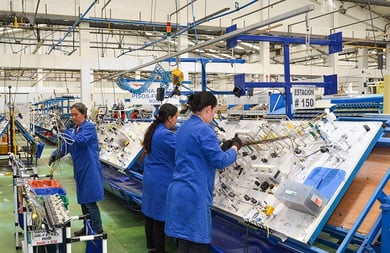 Industrial companies. Source: 10empresa.com
Types of Industrial Companies
Now that we know what industrial companies are, we will move on to discussing how they are classified. In this regard, it should be noted that various types of classifications of industries, taking various aspects into account. In this article, we will focus on those that are based on their activity, sector in which they operate and in their purpose.
1. By activity:
-
-
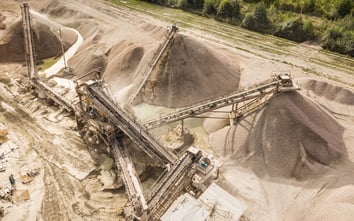
Extractive industrial companies: These are companies dedicated to extracting resources from the ground and then exploiting them. These resources may include minerals, natural gas, and oil. Among the extractive industries the world's largest Notable examples include the Swiss mining company Glencore, the Saudi state-owned oil company Aramco, the Swiss company Holcim—a leading supplier of cement, limestone, sand, gravel, and ready-mix concrete—and the Russian Nord Stream gas pipeline.
-
-
-
Manufacturing Companies: These are the companies responsible for transforming raw materials—whether mined or purchased—into finished products for sale. This group includes large global companies located primarily in leading manufacturing countries such as China, the United States, Japan, Germany, and India.
-
2. Based on the sector in which they operate:
-
-
Food Manufacturing Companies: These are the activities that encompass all operations related to the processing, transformation, preparation, preservation, and packaging of food products. These types of companies represent one of the largest industrial sectors in existence.
-
 Food industry. Source: concept.de
-
-
Energy-related industrial companies: These are the ones that are dedicated to the production of energy o fuels. This group includes oil companies, hydroelectric power companies, and companies that develop other types of alternative and sustainable energy.
-
-
- Industrial Civil Construction Companies: They are responsible for the construction and restoration of houses, buildings, and other civil engineering projects. In this sector, Spain, France, China, and Germany stand out for their large construction companies.
-
-
War-related industrial companies: These are the ones that produce all kinds of weapons y vehicles for use military. The countries that manufacture the most weapons are concentrated in the U.S. and the European Union, accounting for approximately 75% of total production.
-
3. Based on their purpose:
-
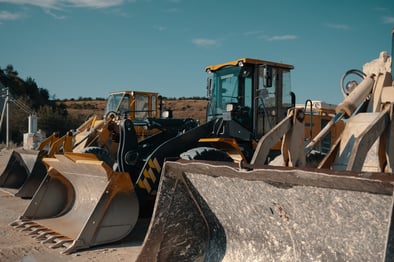
- Capital Goods Manufacturers: These are the ones that produce goods used in the production process from other companies, such as heavy machinery y industrial tools. Typically for the construction, metallurgical, steel, petrochemical, and shipbuilding industries, among others.
-
-
Industrial companies in the capital goods sector: These industries are responsible for producing the raw materials that other industries will use to transform them into the final product. This group includes, among others, food companies, which are notable for their great importance to the world's population.
-
-
-
Industrial companies in consumer goods: These are the factories that produce household appliances, textiles, leather goods, footwear, glass, etc.transform raw materials into the final product that will be sold in the different markets. This classification includes
-
It is worth noting that in the ranking of industrial companies, it can be observed that an industry You can go to various classifications, as is the case, for example, with companies that are classified as energy companies based on the sector in which they operate, and that in turn fall under the category of extractive industries, based on their activities.
We hope this article has been very helpful to you if you are considering offering your services to any of the types of companies described here.