
The fields of civil engineering are very broad. They range from bridge design to building construction and highway planning
such as environmental engineering, geotechnical engineering, construction management, structural design, and others.
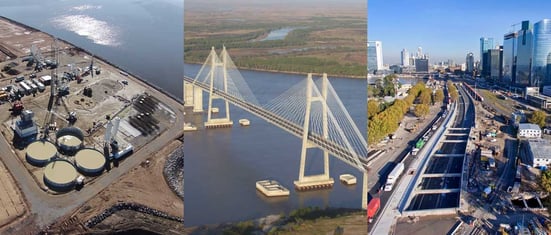
What are the fields of civil engineering?
Civil engineering is the discipline concerned with the design, construction, maintenance, and operation of structures and facilities in order to provide a safe and healthy environment for people; this is where its name “civil” comes from. It is involved in a wide range of activities, including public infrastructure, building construction, transportation engineering, environmental engineering, and more.
Some of the areas of civil engineering include:
1. Construction
 Civil engineering is a discipline that deals with the design, construction and maintenance of all types of structures. The field encompasses many different areas, including structural engineering, the construction of buildings, the engineering of transportation and the management of projects.
Civil engineers are responsible for planning and supervising a variety of construction projects. They also design new buildings to meet the needs from customers and plan repairs to existing structures.
2. Transportation
 The transportation engineering It is a field of engineering concerned with the design, construction, and maintenance of transportation infrastructure, focusing on the design, planning, construction, and maintenance of transportation systems such as roads, railways, airports, ports, and other physical infrastructure.
It is important to note that the future of transportation engineering will be greatly influenced by the emerging technologies in areas such as artificial intelligence (AI), robotics, and autonomous vehicles.
3. Geotechnical Engineering
.jpg) It is the manager on the implementation of principles and practices engineering services focused on the development, design, and construction of earthen foundations or retaining structures, such as dams, tunnels, embankments, bridges, and other projects large-scale civil engineering.
It is the manager on the implementation of principles and practices engineering services focused on the development, design, and construction of earthen foundations or retaining structures, such as dams, tunnels, embankments, bridges, and other projects large-scale civil engineering.
Geotechnical engineers use a variety of tools, including computer-aided design, soil mechanics testing equipment such as penetrometers, ground-penetrating radar, and others specialized teams.
4. Structural
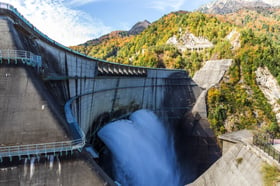 The structural engineers are responsible for the design and construction of buildings in accordance with a set of principles known as structural engineering, which are used to determine how a structure will behave under various loads and stresses.
Structural engineers also design bridges and tunnels that can withstand the stress of earthquakes or heavy traffic.
5. Environmental
 The environmental engineering is a broad field and interdisciplinary the branch of science concerned with the study and design of the natural environment. It includes some areas such as earth sciences, civil engineering, ecology, urban planning, water management, and air quality management, among others.
This field bridges the gap between science and engineering. The goal of environmental engineers is to develop methods for protect and improve the quality of our environment...
As we can see, wind energy projects are large-scale endeavors, and they require professionals. Civil engineering is the field where students will learn and practice their skills in the design, construction, maintenance, and operation of structures and facilities.
This article has summarized some areas where you can grow in this fascinating field of engineering. Assess your skills and start your journey to becoming the engineer the person you've always wanted to be.