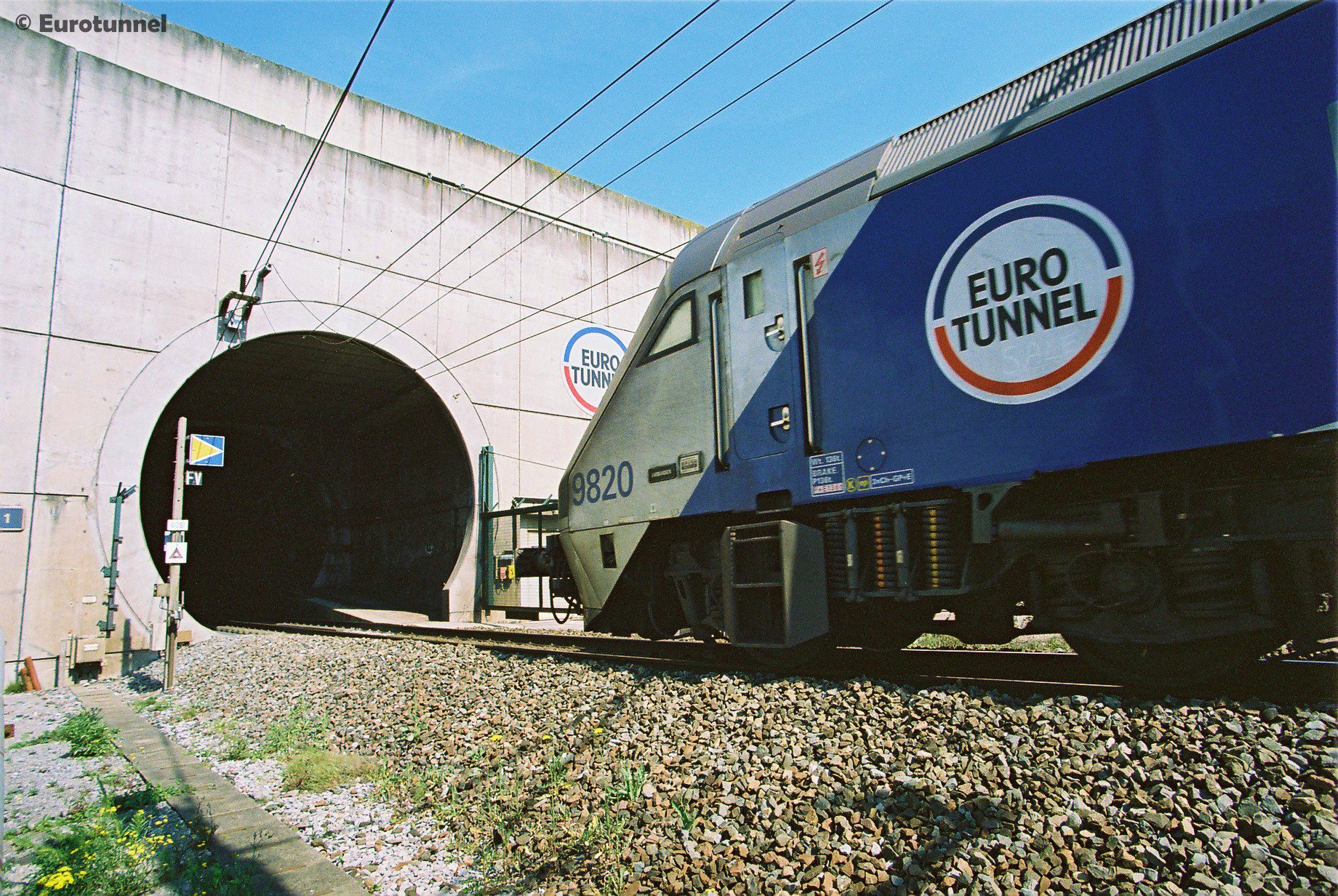
In the summer of 1987, as a measure to facilitate European trade across the English Channel, the presidents of France and the United Kingdom signed an agreement to proceed with the construction of the Eurotunnel, one of the greatest architectural achievements of the 20th century, connecting the two countries in just 35 minutes.
Construction of the Eurotunnel, which began in 1986 and was completed in 1994, had a budget of up to 4.5 billion euros, although the final cost exceeded 13 billion.
Construction of the Eurotunnel
On the rail tunnel project, Eurotunnel employed a total of 8,000 workers, of whom 50% were British and the other 50% were French, and, as with any tunnel construction, extensive preliminary geological studies were necessary to carry out this project.
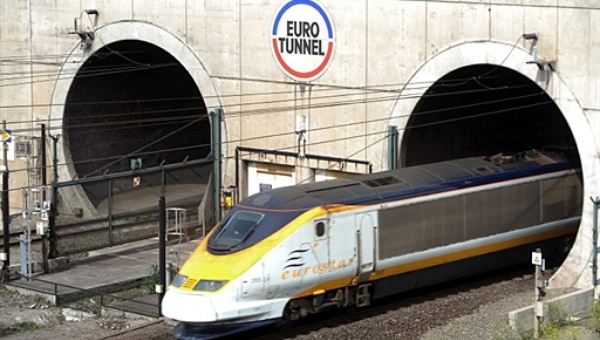
The infrastructure includes 3 tunnels, two of them, each about 7.6 meters in diameter are intended for the transport of people, vehicles, and goods. The third one, nearly 5 meters in diameter, was built to carry out maintenance operations or to be used in case of an emergency. The three are connected to each other by 245 cross-decks, each about 4.6 m in diameter.
Within the infrastructure as well There are junctions where trains can switch from one tunnel to another, thereby enabling maintenance operations to be carried out.
The construction project faced very difficult tasks, such as the excavation of up to 153 kilometers, which involved the use of 12 tunnel boring machines and it was necessary one million metric tons of concrete, approximately.
In total, the Eurotunnel has a 50.5 kilometers long, 39 km of which runs underwater. For this reason, we can say without a doubt that it is one of the largest undersea tunnels on the entire planet.
The delay in construction
Shortly after construction began in March 1988, on the British side there were seawater leaks through the pores of the layers beneath the seafloor, which were discharging about 300 liters per minute.
This caused a major delay in the construction of the Eurotunnel, which was finally opened in 1994—seven years after construction began—and cost more than double the initial budget allocated.
At the end of 2019, The Eurotunnel celebrated its 25th anniversary positioning itself as a sustainable alternative to low-cost airlines.