The shotcrete, also known as shotcrete o gunite, is a construction technique that is increasingly used in engineering, architectural, and infrastructure projects. Its application through pneumatic projection This makes it a fast, versatile, and highly durable solution, which has established it as an effective alternative to traditional concrete placement methods.
If you're looking for a versatile solution, durable y efficient For your construction projects, shotcrete may be the answer. In this article, we explore everything you need to know: What exactly is it?, how it is applied on various types of surfaces, such as floors and walls, in which sectors it is being used successfully—from large-scale civil engineering projects to designer swimming pools—and how much it might cost on a case-by-case basis.
What is shotcrete?
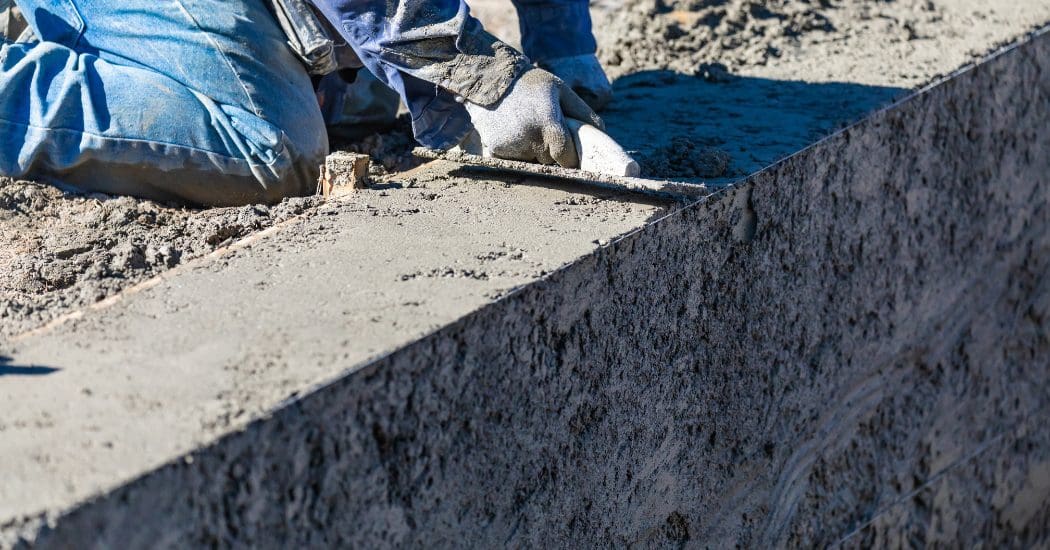
The shotcrete It is a mortar or concrete mixture that is applied to a surface using a high-pressure hose. Unlike conventional concrete placement, this technique does not require formwork in most cases, which reduces construction time and logistics costs.
There are two main types:
- Dry method: The water is added to the nozzle just before spraying.
- Wet process: Water is already added to the mixture before it is transported to the application hose.
Both methods are suitable for structural or reinforcement applications, but the choice will depend on the type of project, environmental conditions, and the technical team's experience.
Main Applications of Shotcrete
The use of the shotcrete on floors and walls It is commonly used in situations where structural strength, ground stability, or seamless finishes are required. Here are some of the most common applications:
1. Lining of Tunnels and Slopes
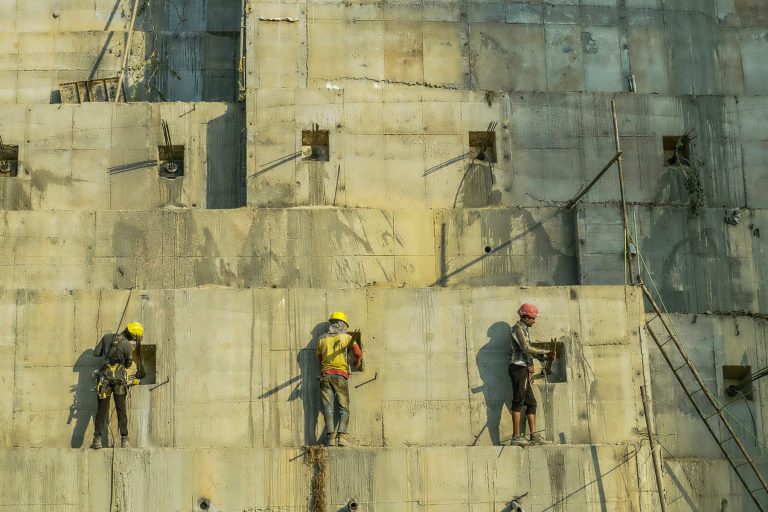
Shotcrete is essential in underground civil engineering. It helps stabilize tunnels, galleries, and rock slopes, providing immediate strength upon application and adapting to irregular geometries without the need for forms.
2. Structural reinforcement
In the rehabilitation of existing structures, shotcrete is applied to deteriorated surfaces to improve their load-bearing capacity. This is common in bridges, retaining walls, storage tanks, and industrial structures.
3. Shotcrete Pools
The shotcrete pools They have become one of the preferred options among industry professionals due to their durability, design flexibility, and watertight construction. Unlike prefabricated pools, they can be adapted to any shape and size, including custom designs, varying depths, or infinity overflows.
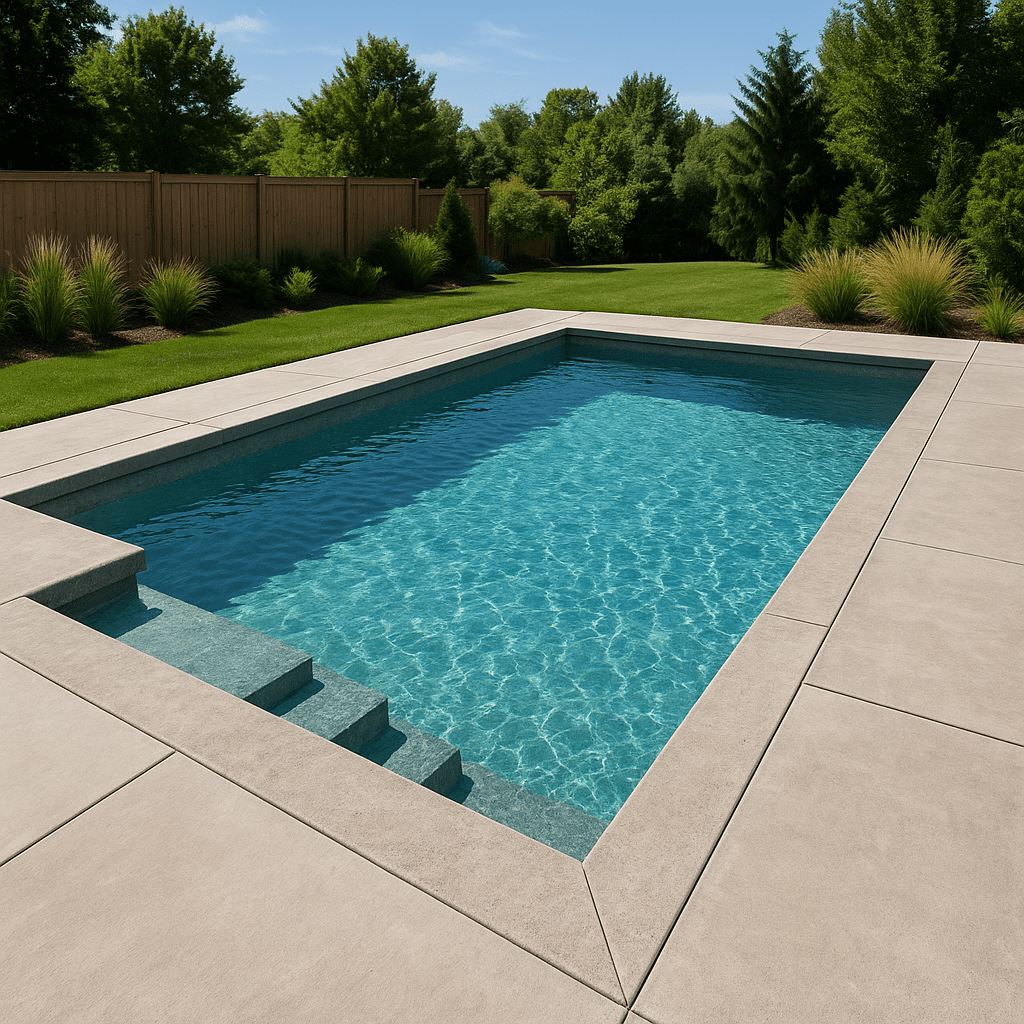
In addition, this technique allows for more efficient integration of plumbing systems and seamless finishes, which improves both aesthetics and functionality.
Shotcrete on floors and walls
The versatility of this technique allows it to be used in both shotcrete for floors as in shotcrete for walls. In the first case, it is used to reinforce load-bearing surfaces, slopes, or platforms, providing strength and durability. In the second case, it is ideal for vertical linings in tunnels, underground structures, or retaining walls.
In projects aimed at improving workability and finish quality, other solutions such as the self-compacting concrete They are also gaining ground due to their ability to conform to complex shapes without the need for vibrating.
Key Benefits:
- Excellent adhesionIt can be applied to any type of surface (even without extensive preparation).
- High mechanical strength and durability against external factors.
- Reduction significant portion of the use of formwork and auxiliary labor.
- Greater control over thickness applied in layers.
- Quick commissioning, especially useful in time-limited projects.
What is the price of shotcrete?
One of the most important factors for construction managers is knowing the price of shotcrete. This can vary significantly depending on various factors:
- Road Type: wet or dry.
- Application thickness and total surface area.
- Height or difficulty of access to the application area.
- Environmental Conditions (temperature, humidity, stand tilt).
- Additional technical or structural requirements (steel fiber, additives, etc.).
Approximate price range
Although each work requires a specific analysis, the Prices for Shotcrete they usually range from 70 and 150 €/m², including materials, machinery, and skilled labor. For larger-scale projects, the price may be reduced due to economies of scale.
When searching for information about the shotcrete price, it is important to request detailed quotes and consider not only the cost per square meter, but also the operational benefits associated with its use: reduced construction time, lower formwork consumption, and ease of application in complex areas.
When should you choose shotcrete?
When deciding between traditional pouring techniques and the use of shotcrete, it is important to consider a number of key factors:
- Project Geometry: The more complex the project, the more advisable it is to use shotcrete.
- Terms of Access: In hard-to-reach areas, pneumatic spraying simplifies the work.
- Completion Deadline: If time is a critical factor, this technique offers an advantage over conventional methods.
- Need for Reinforcement: In structural restoration or reinforcement projects, its application is more effective and cleaner.
Technical and Regulatory Considerations
The use of shotcrete is governed by specific technical standards, such as the UNE-EN 14487-1, which establishes the requirements for the material, including its strength, adhesion, durability, and fire resistance.
It is also essential to have qualified personnel and specialized equipment. Proper calibration of the pumping equipment, the mixing of the components, and the application technique directly affect the material’s final performance.
As part of that same drive toward innovation, the development of smart materials such as the self-healing concrete It represents a step forward in structural durability, reducing long-term maintenance costs.
The Future of Shotcrete: Innovation and Sustainability
The STEAM sector, particularly in fields such as civil engineering and materials science, continues to develop innovations related to shotcrete. Among the most notable trends are:
- Use of recycled fibers or reinforced polymers to improve endurance without adding weight.
- Robotic Applications to improve precision in highly complex construction projects.
- New additives and accelerators that improve setting and reduce shrinkage.
- Reducing the Carbon Footprint by using mixtures with lower emissions or alternative cements.
These innovations position shotcrete as a forward-looking technique in the field of sustainable construction, aligned with the goals of energy efficiency and the circular economy.
Specialized Training in Leading Shotcrete Projects
The use of the concrete The proposed project requires not only technical experience on-site, but also a deep understanding of soil behavior, the interaction with foundations, and the geotechnical conditions of the surrounding area.
For those looking to specialize in this field, Structuralia offers the opportunity to take the International Master's Degree in Geotechnical Engineering and Foundations, a leading software program designed for engineers and technicians in the industry. This training provides the knowledge needed to lead complex projects, optimize structural designs, and apply the most advanced solutions in foundations, tunnels, and soil retention.
A key training opportunity to advance professionally in an increasingly technical, demanding, and innovation-oriented environment.