The global industry is at a turning point. For more than a decade, the Industry 4.0 has promoted the automation, the digitization and the hyperconnectivity. However, the sector now calls for a more strategic, sustainable, and people-centered approach. That approach is the Industry 5.0, a new paradigm that does not replace 4.0, but rather expands upon it to bring the human being in the smart factory hub.
This evolution addresses the current needs of manufacturing: greater resilience, flexibility, sustainability, and a true balance between advanced technology and human involvement.
That is why discussing Industry 5.0 today is essential for any professional in the industrial sector, from plant managers to engineers, maintenance technicians, and operations executives.
What is Industry 5.0?
The Industry 5.0 It is not intended to replace Industry 4.0; rather, it complements it. It combines the best of the Internet of Things (IoT), analytics, and cyber-physical systems with an operational design that prioritizes three pillars:
A Human-Centered Approach
People are no longer passive supervisors of machines; they have become active participants. Technology is used to enhance human capabilities, not to replace them. This means:
- More ergonomic workstations.
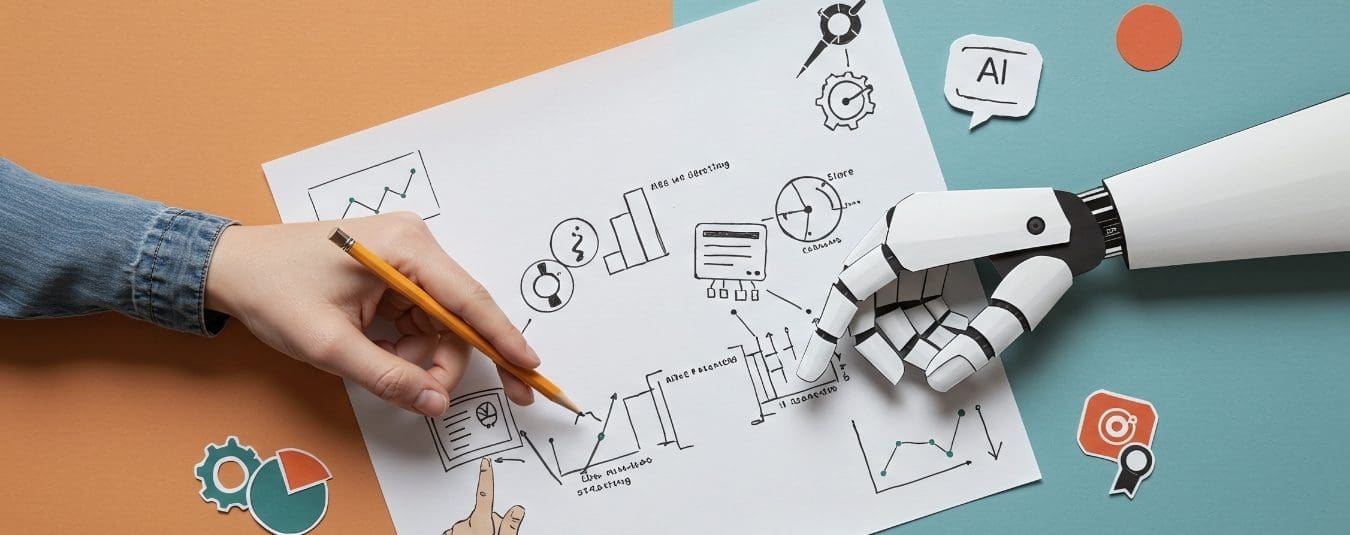
- Human-Robot Collaboration (HRC).
- AI-assisted decisions.
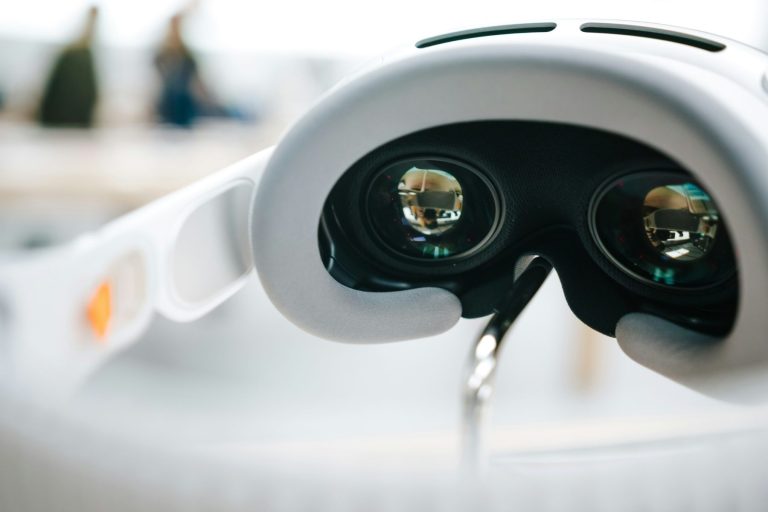
- Workers enhanced with AR and wearables.
Sustainability
Production is designed according to the principles of the circular economy, energy efficiency, and reducing environmental impact. This involves:
- Minimize waste.
- Optimize consumption.
- Improve the traceability of materials.
- Implement clean energy.
Resilience
The industry must be able to adapt to disruptions such as pandemics, supply shortages, or geopolitical tensions. This includes:
- Flexible supply chains.
- Systems capable of rapidly reconfiguring themselves.
- Decentralized and robust processes.
International organizations such as the European Commission or the International Robotics Federation They emphasize that this development is not optional; it is necessary to ensure the sector's competitiveness.
From Automation to Collaboration
The main difference that defines the Industry 5.0 That is their philosophy: the goal is no longer the fastest machine, but rather the smartest system that optimizes human capabilities.
This is achieved through the advanced collaboration (Human-Robot Collaboration), where machines handle repetitive, tedious, or dangerous tasks, and humans contribute creativity, the ability to make complex decisions, and the flexibility that technology cannot yet replicate.
The factory ecosystem is not just a network of sensors, but an environment designed with ergonomics and well-being in mind. We come from the Electrical Automation, Its Types, and Its Impact on Industry.
Industry 5.0 aims to reduce workplace stress, improve safety, and allow operators to focus on activities with higher added value. This synergy between smart technology and human intuition is what will drive the next generation of industrial innovation.
Key Technologies for Industry 5.0
Although the Industry 5.0 It is a philosophy based on a robust technological foundation.
Collaborative Robots (Cobots)
The Cobots (Collaborative Robots) They are the flagship technology, designed to share workspaces with people without the need for physical barriers, adjusting their speed and force to the environment.
Advanced Artificial Intelligence
The Artificial Intelligence (AI) It is used to enhance workers' capabilities, for example, through machine vision systems that detect quality defects or virtual assistants that provide complex maintenance instructions in real time.
Augmented and Virtual Reality
To:
- Manage complex operations.
- Train staff in safe environments.
- Monitor remote facilities.
Digital Twins
They allow you to simulate scenarios, validate design changes, or predict the behavior of critical equipment.
Industrial IoT
Connected sensors that monitor the plant in real time.
These technologies do not compete with workers—they empower them.
Sustainability and Resilience: The New Strategic Priorities
The Industry 5.0 is in line with the growing urgency to address climate change and the need for more resilient supply chains. Sustainability is not an afterthought, but rather a design pillar. The factories are geared toward circular economy, minimizing waste, optimizing energy consumption, and using more environmentally friendly materials. As proposed by the Ministry for Ecological Transition and the Demographic Challenge.
As for the resilience, the experience of recent disruptions has taught the industry the need for flexible systems. The Industry 5.0 It enhances the company's ability to quickly reconfigure its production processes in response to unexpected events (such as pandemics, supply shortages, or geopolitical crises), ensuring business continuity without compromising the well-being of its employees.
The New Professional Profile: From Worker to Value Creator
The adoption of the Industry 5.0 It entails a profound transformation of human capital.
Low-value-added, repetitive, and dangerous tasks are being automated, freeing up workers to take on roles in supervision, data analysis, and, above all, creativity.
The influence and growth of digital technology have been evident since the advent of Industry 4.0. In this regard, you might be interested in: 4 Conclusions on Industry 4.0 and Digital Transformation.
Notable among the new roles are:
- Collaborative Robotics Technicians.
- Specialists in AI applied to operations.
- Energy efficiency engineers.
- Predictive maintenance technicians.
- Experts in digital twins.
The worker becomes a hybrid professional, capable of interacting with cyber-physical systems, interpreting data, and improving processes.
Mass Customization: Manufacturing with a Customer-Centric Approach
The human-centered approach of the Industry 5.0 extends all the way to the end consumer. The technology enables a mass customization efficient, where products are designed and manufactured to meet the individual needs of each customer without incurring the high costs of artisanal production.
The operator, assisted by Cobots and tools for Augmented Reality, it can add touches of customization to the assembly line. This not only meets market demand for unique products but also adds value to the manufacturing process.
Production shifts from commodities the creation of items with greater intrinsic value. The flexibility inherent in the Industry 5.0 makes design or product changes quick and cost-effective.
Conclusion: Toward a More Humane Industrial Revolution
The Industry 5.0 It is the future because it is the most balanced revolution to date. It does not merely pursue maximum productive efficiency (4.0), but rather subordinates it to goals of sustainability, resilience, and, fundamentally, to the employee well-being and empowerment. As professionals in the industrial sector, we must lead this transition by investing in the training of our staff and in collaborative technology. As he argues Industry Alliance.
By combining human ingenuity with the precision of smart technology, we ensure a manufacturing model that is not only cost-effective but also ethical and ready to meet the challenges of tomorrow.