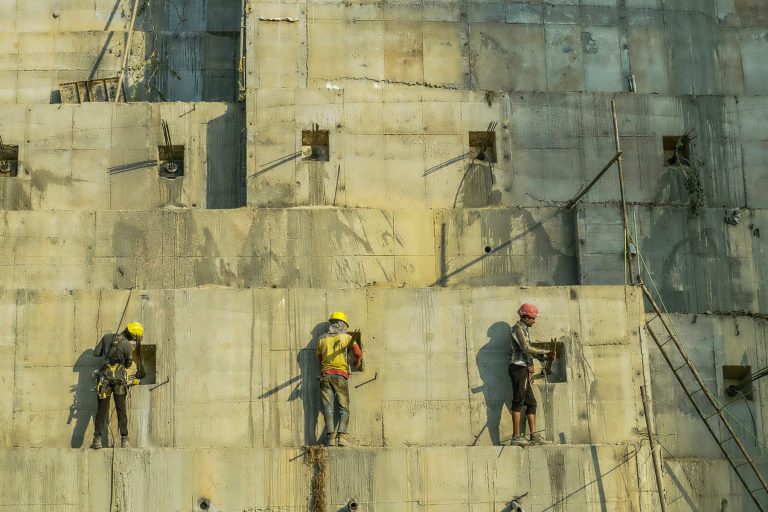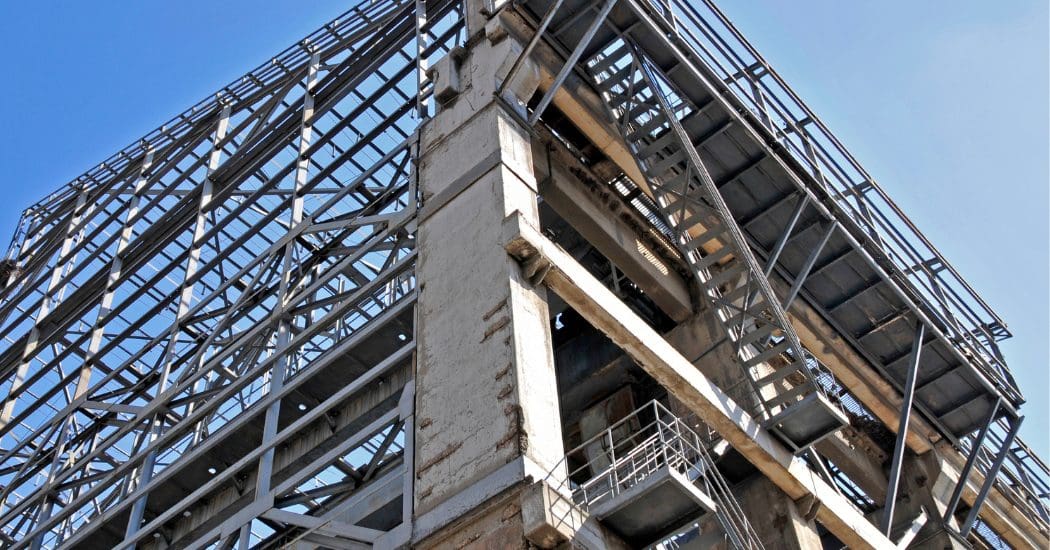
The structural rehabilitation It emerges as a technical solution to high complexity, capable of extending the service life of existing buildings, restoring safety standards, and adapting them to new regulatory requirements without compromising their functional integrity.
In a context where 70% buildings in many countries are more than 40 years old, the structural renovation of buildings It is more important than ever. Not only does it restore a structure's structural safety, but it also optimizes resources, extends its service life, and, in many cases, improves its performance in response to new demands such as earthquakes or operational overloads.
In this post, we're going to take a look at what structural rehabilitation of buildings, why it is so necessary today and what are the most important techniques, stages, and benefits associated with this practice.
What does structural rehabilitation involve?
Beyond the general concept, an intervention by structural restoration This involves assessing the actual condition of a building, identifying defects, determining their causes, and designing technical solutions that restore or even enhance its original capacity.
These actions can range from the reinforcement of structural elements load-bearing elements (beams, columns, slabs) until the foundation system is improved or damage caused by corrosion, moisture, or design errors reoccurs. In many cases, this work must be carried out without interrupting the building’s functionality, which adds technical and logistical complexity.
In this regard, the structural studies of buildings are essential for ensuring an accurate diagnosis that allows each procedure to be performed with complete technical assurance.
Why renovate instead of demolish?
We might think that the best way to fix a deteriorated structure is to start from scratch. But that isn't always the most efficient option. The structural rehabilitation offers clear advantages:
- Lower environmental impact: Avoiding demolition reduces waste and the use of new materials.
- Financial Savings: In many cases, the costs of renovating are lower than those of building from scratch.
- Speed: A well-planned renovation can be completed in less time than a new construction project.
- Heritage Preservation: Many buildings have architectural, urban, or historical value that warrants preservation.
- Functional Adaptation: It allows spaces to be reconfigured and adapted for new uses without compromising the underlying structure.
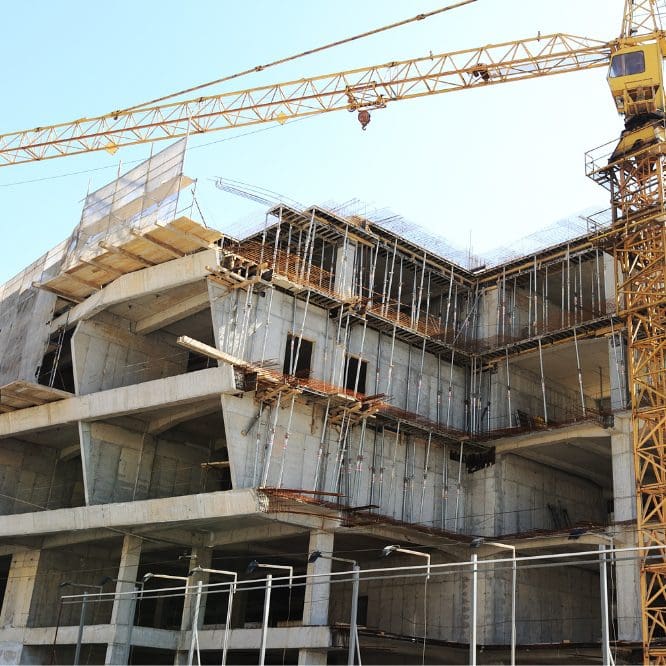
The Rehabilitation of Concrete Structures
Much of the work by Rehabilitation of Concrete Structures They focus on solving problems caused by carbonation, reinforcement corrosion, or loss of bond between steel and concrete. Damage associated with specific pathologies such as aluminosis, which seriously compromise the material's durability.
Today, the available technical solutions make it possible to take action with confidence:
- Epoxy resin injections for active cracks.
- Reinforcements made of composite materials such as carbon fiber (FRP).
- Reinforced with structural mortar.
- Passivation and protection of exposed reinforcing bars.
- Repair of damaged sections using shotcrete.
Every project requires a customized approach, and that's where a professional's experience makes all the difference.
Key Phases of Effective Structural Rehabilitation
- Technical Inspection: detect visible and hidden defects. Visual inspections must be accompanied by nondestructive testing.
- Structural Assessment: analysis of causes, damage assessment, and modeling of the behavior of the affected structure.
- Proposed Intervention: selection of viable solutions that are compatible with the existing materials and the building's intended use.
- Execution: detailed planning, coordination of technical teams, and thorough monitoring.
- Inspection and Maintenance: Implement preventive measures to ensure the sustainability of the intervention.
In many cases, these measures are supplemented by on-site interventions, especially when the problems originate in the foundation system. In these cases, it is essential to understand the Types of Foundation Work in Building Construction best suited for reinforcing or replacing affected components without compromising the overall stability of the building.
Technology for Rehabilitation
Technological advances have transformed the way structural rehabilitation is approached.
BIM models, 3D laser scanners, ultrasonic testing, and drones for remote inspection enable accurate and reliable documentation, especially in complex environments.
In addition, new materials have expanded the range of possibilities. Fiber-reinforced polymer (FRP) reinforcements have proven effective in targeted interventions, allowing the original dimensions of structural elements to be maintained and facilitating construction with minimal disruption to the building’s use.
Common situations in which intervention is recommended
- Corrosion of Reinforcement in Reinforced Concrete Structures.
- Cracking caused by excessive loads or design errors.
- Differential settlement due to foundation failure.
- Recovery following earthquakes or extreme events.
- Structural modifications due to a change in use (from residential to office space, for example).
- Reinforcement to meet new regulatory requirements (seismic, accessibility, overloads).
Renovation is also innovation
Far from being a conservative endeavor, the restoration of structures is a fertile ground for innovation. It allows us to combine the existing with the new, integrate advanced technologies into traditional systems, and apply customized solutions to each project.
Professionals who specialize in this field do more than just preserve buildings: they actively contribute to a more conscious, technically sound, and sustainable building culture.
Conclusion
The structural rehabilitation of buildings is not a trend; it is a real necessity in an environment where material resources, space, and time are becoming increasingly valuable. Would you like to specialize in reinforcement, design, and structural restoration? From Structuralia, a leading school in technical training for engineers, we invite you to take the Master's Degree in Structural Analysis and Design, an advanced degree designed to provide expertise in structural behavior in complex projects.