Originally published on September 19, 2022, Updated on October 3, 2024.
The types of architecture have varied greatly Throughout history, In this article, we'll help you arrange them in chronological order.
Yesterday, October 2, marked the World Architecture Day, an ideal opportunity to reflect on their evolution throughout history. From the earliest Neolithic structures to today’s imposing skyscrapers, different types of architecture have responded to the needs, values, and technological advances of each era. Below, we will explore the types of architecture in chronological order based on their historical development.
Prehistoric Age: From the Beginning of the World to the Appearance of Man
Architecture in prehistory encompasses two main types:
Neolithic Architecture
The purpose of this architecture was to serve as a shelter from the harsh weather and a place to worship the gods. The structures were basically huts made of mud, gravel, and straw. These early architectural styles focused on functionality and protection.
Pre-Columbian Architecture
Regarding the Architecture of the Indigenous Peoples of the Americas Like the Aztec, Maya, Inca, and Toltec cultures, it is well known for its great temples and pyramids. These monumental structures served not only religious purposes, but as well as administrative and political centers.

Stonehenge, an example of prehistoric architecture with a religious purpose. ABC.es
Ancient Times: From the Emergence of Writing to the Fall of the Roman Empire
During ancient times, major advances were made in architecture that can still be seen today. We highlight the following specialties in architecture:
Architecture of Ancient Egypt
This type of artistic architecture was rooted in service to religion and the sovereign. The main material used was stone, from which they created the great pyramids, many of which still exist today.
Greek Architecture
Based on the search for idealistic beauty, drawing primarily on nature, is characterized by the use of columns and capitals. An iconic example is the The Parthenon in Athens.
Roman Architecture
It is characterized by to be monumental both for its grandeur as well as for the significance it represented. Functionality and utility were fundamental elements in this type of architecture.
The Middle Ages: From the Fall of the Roman Empire to the Discovery of the Americas
The architecture of this period was influenced by the power of religion and the ruralization of Europe, giving rise to grand structures such as churches, mosques, palaces, and castles. We highlight the following architectural specialties:
Byzantine Architecture
Bricks are used instead of stones in the construction of churches in this style, Mosaics are the predominant decorative element and the domes are raised.
Romanesque Architecture
This style combines features of Roman and Byzantine styles, incorporating thick walls, sturdy pillars, semicircular arches, cross vaults, decorative arcades, and large towers, while omitting sculptures.
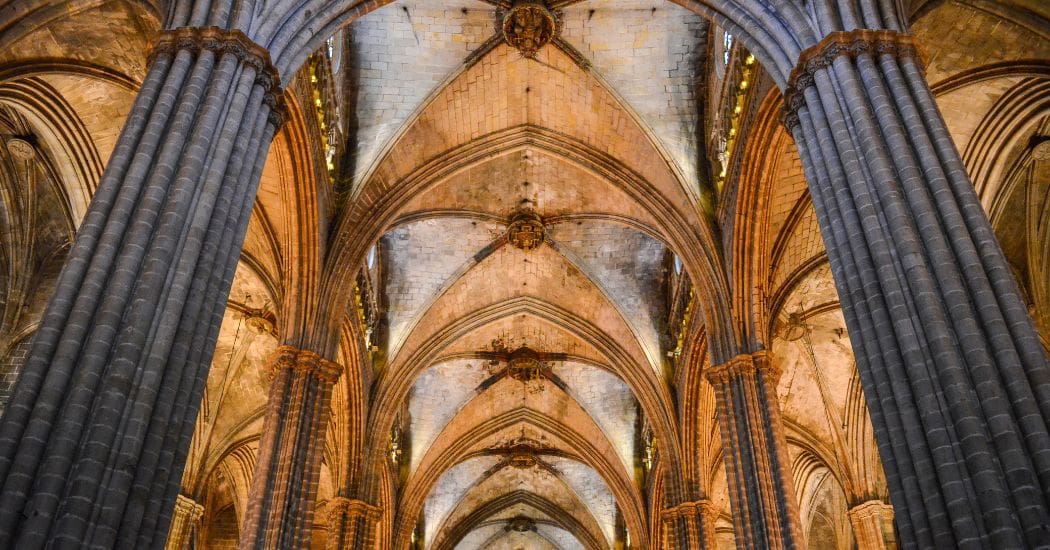
Gothic Architecture
This style is characterized by a focus on light and the height of its structures.

The interior of a Gothic cathedral. AD magazine
Modern Era: From the Early 1920s to the Late 1980s
Characterized primarily by simplicity, based on order and functionality, with straight lines prevailing. The goal is to achieve beauty. using mathematical and geometric calculations to achieve greater harmony and proportion. This style includes Renaissance, Romantic, Rococo, Neoclassical, and Modern architecture.
The Modern Era: From the French Revolution to the Present Day
With the onset of the Industrial Revolution, there is a wonderful mix of colors, textures, and the use of different types of materials, incorporating elements of nature to integrate architecture with the environment. The world's first skyscrapers also appear. Notable examples of this group include the architecture postmodern, the Futurist movement and the school of Bauhaus.

Bauhaus School Headquarters. Elperiodico
In summary, the evolution of Architectural styles reflect history and humanity's progress. Understanding the different periods and architectural styles not only enriches our understanding of the past, but also pIt provides contemporary architects with a valuable source of inspiration and learning. The techniques and approaches developed over the centuries have provided innovative and sustainable solutions that can be adapted and improved upon in today's projects.
To mark the World Architecture Day, we invite you to explore the extensive catalog of courses and specialized master's programs in architecture offered by Structuralia. This program will allow you to delve deeper into the various specializations in architecture, From its origins to the latest trends, providing you with the tools you need to tackle the challenges of the modern world. Don't miss this opportunity to expand your knowledge and skills in these fascinating areas of architecture!