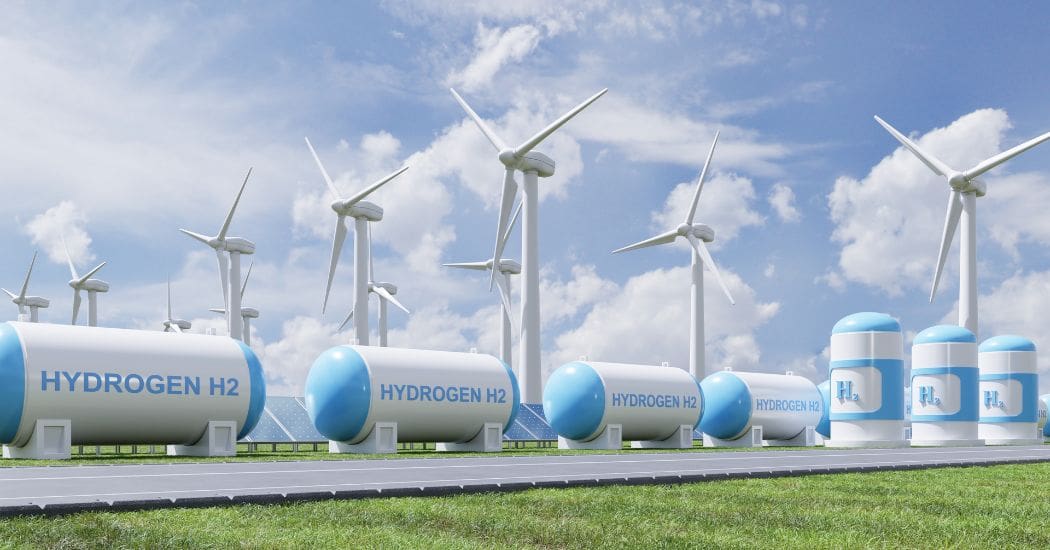
Understand What is green hydrogen? It is essential to understanding the paradigm shift currently taking place in the energy sector. The transition toward a cleaner and more efficient model has made green hydrogen one of the major players of the future. Its potential to replace fossil fuels in highly polluting industries and to store renewable energy positions it as a key technology in reducing CO₂ emissions2.
What is green hydrogen?
The green hydrogen is an energy vector obtained through a process of electrolysis, which involves separating hydrogen (H2) of oxygen (O2) using electricity from renewable sources such as solar or wind power. Unlike other types of hydrogen, such as gray or blue hydrogen, green hydrogen does not emit CO2 in its production, which is why 100% is considered clean and sustainable.
Types of hydrogen: classification by color
To better understand What is green hydrogen?, it's helpful to know the different Types of Hydrogen based on their production method:
- Gray hydrogen: It is produced from fossil fuels, primarily natural gas, through a process called steam reforming. In Spain, it is currently the main form of hydrogen consumed in the country; with annual consumption estimated to exceed 500,000 metric tons, used primarily as a feedstock in industry—particularly in refineries (about 70%) and in the production of chemicals (approximately 25%).
- Blue hydrogen: similar to gray, but with carbon capture and storage (CCS).
- Green hydrogen: produced using renewable electricity, with no polluting emissions.
- Pink hydrogen: This is a variant currently under study, produced through the electrolysis of water but using electricity generated by nuclear power.
The Spanish government, through the National Integrated Energy and Climate Plan (PNIEC) and the Renewable Hydrogen Roadmap, aims to replace gray hydrogen with green hydrogen in the coming years. There is enormous potential for decarbonizing industry, as replacing gray hydrogen with renewable hydrogen would significantly reduce CO₂ emissions2 and move toward a more sustainable economy.
How is green hydrogen produced?
Imagine we want to produce a very special type of hydrogen that we call “green hydrogen”. Why “green”? Because we don’t use anything that pollutes the planet to produce it.
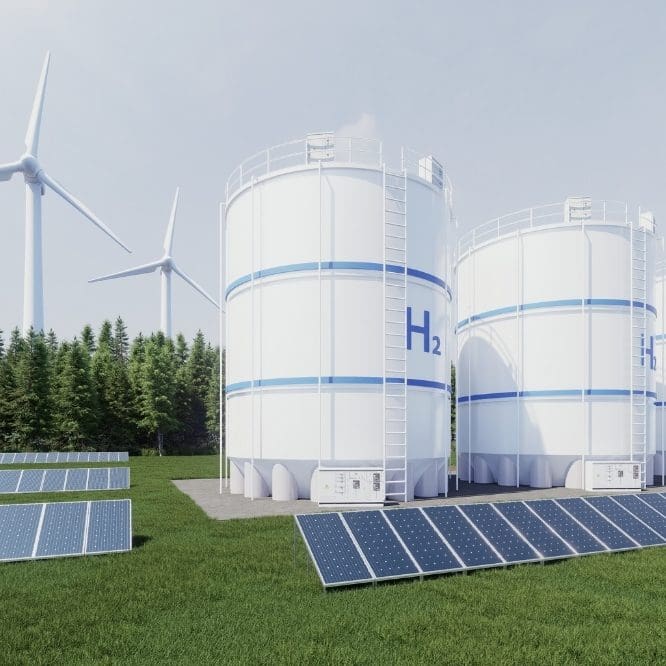
One of the keys to understanding What is green hydrogen? lies in the method used to produce it. The most common process for producing green hydrogen is the electrolysis of water, which uses a device called electrolyzer. Using clean electricity, the electrolyzer breaks down water to produce gaseous hydrogen, on the one hand, and oxygen on the other hand. This hydrogen is what we call “green,” and it holds great promise for decarbonizing industry and transportation in Spain and around the world.
This electricity must come from clean, renewable sources such as solar or wind power. This way, we will ensure that the process is environmentally friendly.
Green Hydrogen Production Technologies
Water electrolysis is at the heart of green hydrogen production, but current research and development efforts are focused on improving its efficiency and reducing costs:
- Alkaline Electrolysis (AEL): a mature and cost-effective technology, albeit with lower power density. It remains a robust option for large plants.
- Proton Exchange Membrane Electrolysis (PEMEL): more compact, with a faster response to the intermittency of renewable energy sources, and with higher current density. It is the preferred technology for applications that require flexibility and a small footprint.
- Solid Oxide Electrolysis (SOEL): It operates at high temperatures, which can improve efficiency when waste heat from industrial processes is utilized. It holds long-term promise for certain applications.
- New generations of electrolyzers: Ongoing research into materials, catalysts, and cell designs aims to reduce the need for precious metals (such as platinum in PEM) and increase the overall durability and efficiency of the systems.
Green Hydrogen in Spain: A Strategic Driver
Spain It is one of the European countries with the greatest potential for the development of green hydrogen, thanks to its abundant supply of renewable resources. Initiatives such as the Andalusian Green Hydrogen Valley and projects in Huelva, where major investments in production and storage facilities have been announced, positioning the country as a leader in Southern Europe.
The Green hydrogen in Huelva It has created opportunities for investment, employment, and technological development. In this regard, this project was launched with the aim of training unemployed individuals for the new job opportunities arising from green hydrogen in the province. It is a direct response to the urgent need for qualified professionals in the Huelva and Palos de la Frontera Chemical Cluster.
Current and Future Applications
Understanding what the green hydrogen It also involves understanding their real-world applications. The Applications of Green Hydrogen cover a wide range of strategic sectors:
- Industrial Decarbonization: essential for industries that are difficult to electrify, such as steelmaking, the chemical industry (ammonia and fertilizer production), and oil refineries, where it serves as a raw material or fuel.
- Transportation: It can be used as fuel in fuel-cell vehicles (cars, trains, trucks, and even airplanes). In fact, the The world's first hydrogen-powered train is already in operation, marking a turning point in rail transportation. Find out here how this revolutionary train works
- Industry: Industries such as steelmaking, glass manufacturing, and fertilizer production are beginning to replace polluting "gray" hydrogen with its "green" counterpart, reducing emissions without compromising efficiency.
- Energy Storage: It allows excess intermittent renewable energy to be stored for later use, acting as a seasonal or long-term «reservoir.».
- Residential Energy: potential use in heating and decentralized electricity generation.
These applications make it a catalyst for the global decarbonization.
Advantages and Disadvantages of Green Hydrogen
Advantages of Green Hydrogen
- Zero CO₂ emissions in its production.
- It facilitates the decarbonization of industrial sectors energy-intensive.
- Allows store renewable energy and improve the stability of the power grid.
- High energy density: ideal for long-distance travel.
- Promote the creation of skilled jobs and technological innovation.
Disadvantages or problems with green hydrogen
- High cost compared to other energy sources.
- Limited infrastructure for distribution and storage.
- Requires large amounts of water and electricity.
- Energy Efficiency inferior in some cases compared to direct alternatives such as electric batteries.
These challenges are being addressed through significant technological and economic advances, and they are part of the discussions at events such as the National Green Hydrogen Conference, where experts, companies, and institutions come together to discuss the future of the sector.
Specialize in the sector with the brightest future
Become the professional that companies are looking for.
The Master's Degree in Green Hydrogen Projects Structuralia's course is exactly what you need to gain an in-depth understanding What is green hydrogen?. It prepares you to lead the energy transition from within, with up-to-date, online 100% training designed for real-world scenarios.